

Q is for Queer
Queer art, and specifically the use of the word queer, reminds us of the positive changes that creativity can achieve.
Queering the Whitworth is a project that looks at the gallery’s collection from a non-normative perspective in order to (re)discover LGBTQIA+ narratives associated with the artworks.
By researching the collection from a queer perspective, we can look at the biographies of the artist, artwork and/or subject matter in order to find our LGBTQIA+ communities within the art collection. We then make this research public via the gallery’s social media platforms and through physical and digital tours, which are uploaded onto the Whitworth’s YouTube channel.

Pearl Alcock (1934-2006)
1987 O.2010.11
One such video is that of the artist, Pearl Alcock, who took inspiration for her creativity from everything around her.
The art collection here at the Whitworth also contains a selection of LGBTQIA+ artists that have used their creativity to celebrate sexual difference. This has been achieved through the artists’ depictions of same sex attraction, through the depictions of their lovers or partners, or by capturing within their artwork LGBTQIA+ friends or family members. The creative legacy left by these artists, such as Pearl Alcock, is a powerful tool with which we can tackle homophobia because it gives us the opportunity to change a negative noun word, such as queer, into a verb: a positive doing word.
In an episode of our A Walk in The Park podcast we are introduced to the ‘Queering the Whitworth’ project led by the Visitor Team staff member Dominic Bilton. ‘Queering the Whitworth’ started as an online project, via social media, in the summer of 2018. The project examined works of art from the Whitworth’s Collection that have an LGBTQIA+ connection. The Whitworth’s collection spans centuries and is prime placed to tell the history of the LGBTQIA+ community through history.
R is for Resourcefulness
We don’t need large budgets or access to infinite materials to be creative.
Creativity encourages us to be curious and make the most of what we have to hand.
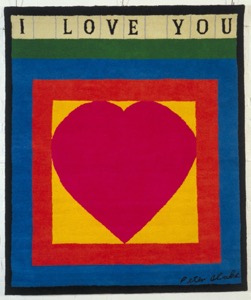
Peter Blake (b. 1932)
1982 T.1987.65
©The Whitworth, The University of Manchester
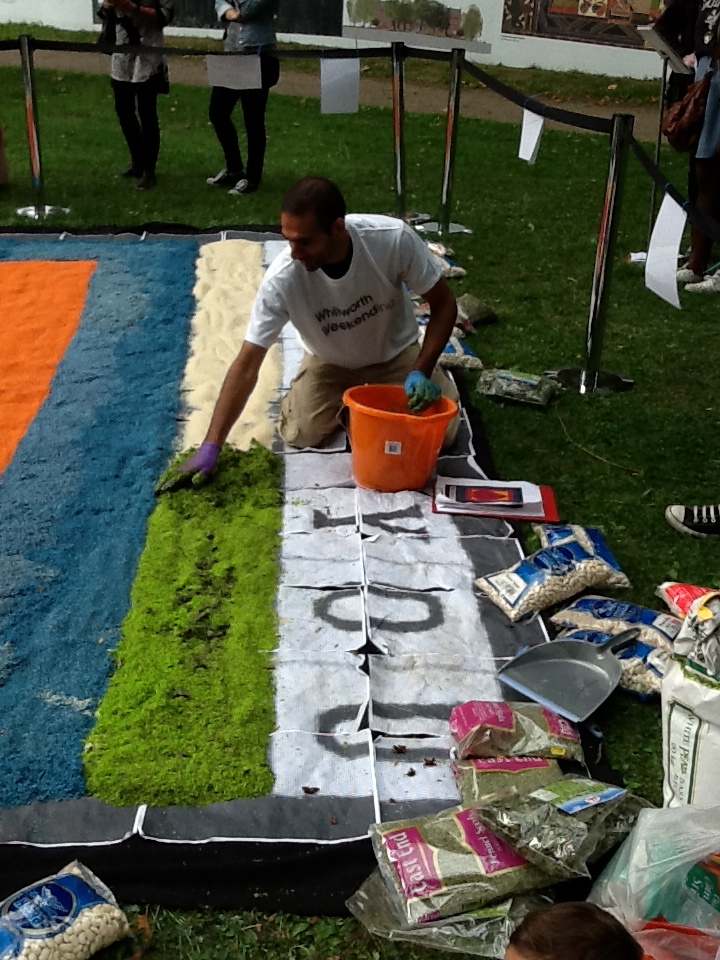
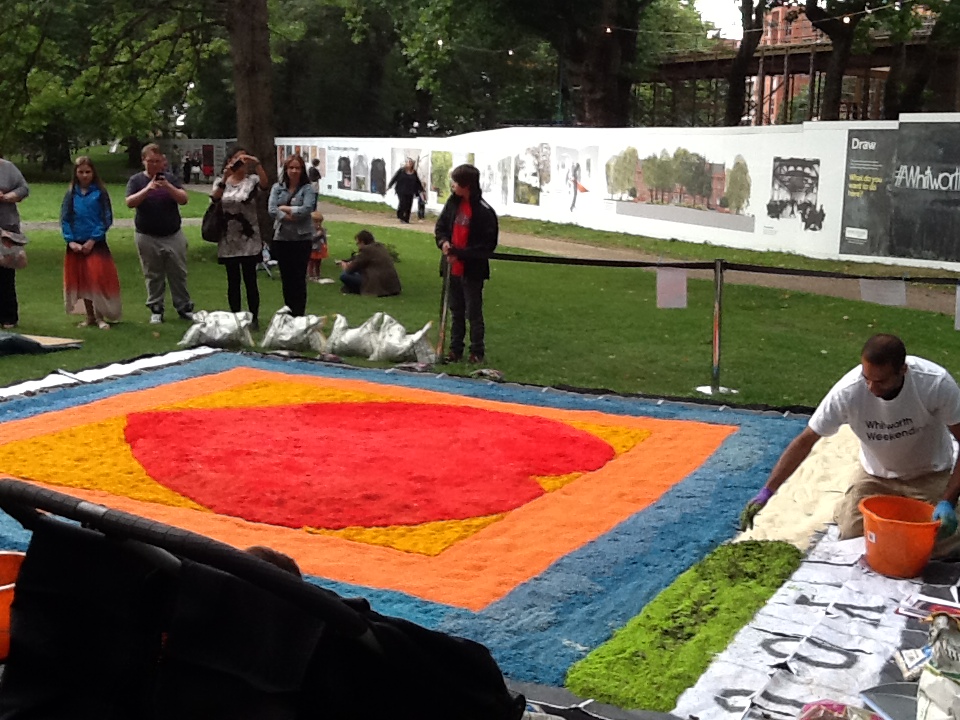
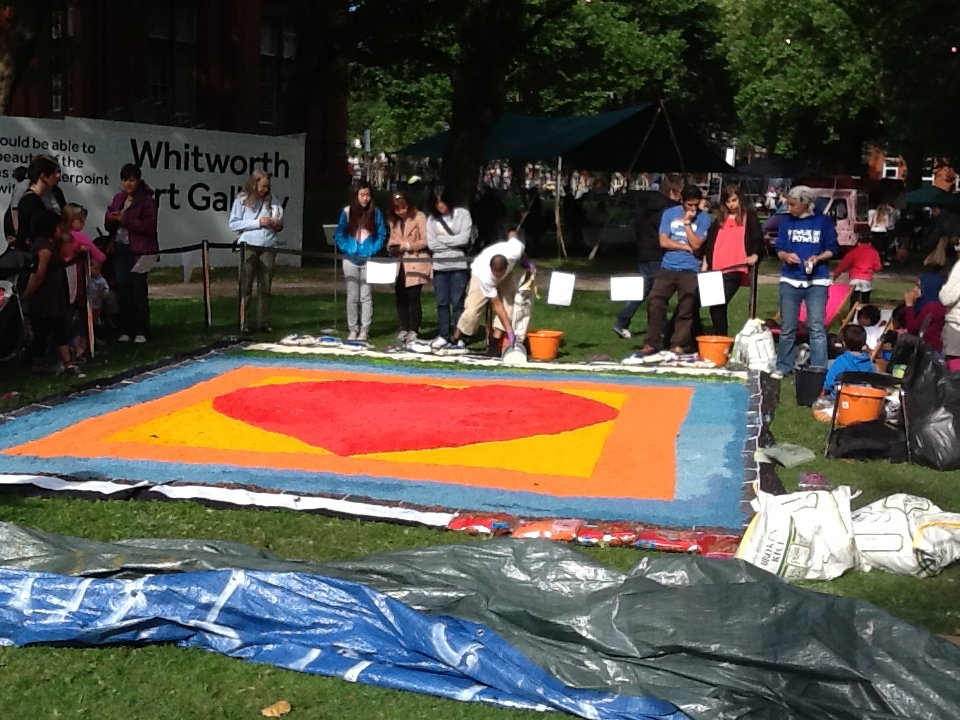
Artist Muzamil Choudhury used his creative resourcefulness to recreate Sir Peter Blake’s ‘I Love You’, one of the Whitworth’s most enjoyed artworks. In 2013, for the ‘Whitworth Weekending’ – a festival to say goodbye before the redevelopment of the gallery, Muzamil used foods, fabrics and spices found in nearby Rusholme to create his final piece.
Here is a slide show of the process and resulting artwork.

Get Creative – Art Activity
Get resourceful and use old throwaway textile items to make bunting with our creative practitioner Aysha who takes inspiration from the fairy illustrations of Victorian artist Walter Crane.
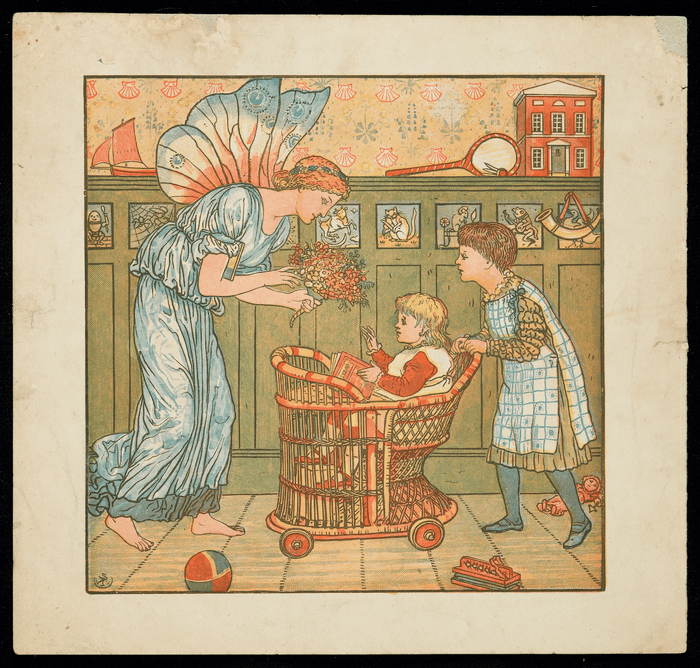
Walter Crane (1845-1915) WCA.1.1.1.5.274
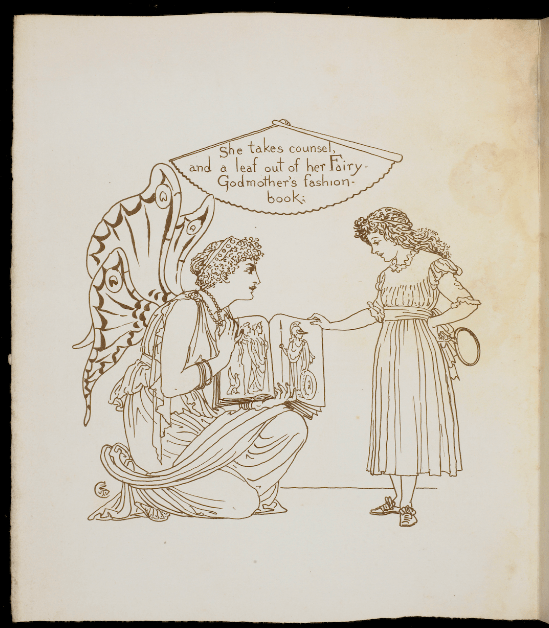
Walter Crane (1845-1915) WCA.1.1.1.5.569
Explore further artworks in the Whitworth’s collection that link to resourcefulness, here
http://gallerysearch.ds.man.ac.uk/Browse/6047
S is for Studio
Creativity doesn’t need walls to flourish, but an artists studio comes close to capture the spirit of imaginative making.
Get Creative – Art Activity
Be inspired to create your own portable studio with help from our practitioner Ibukun, here
We invited our creative practitioners to show us their studio spaces – Take a look.
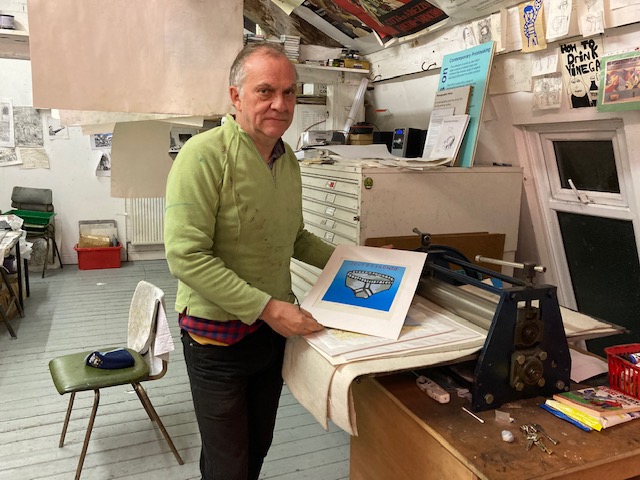

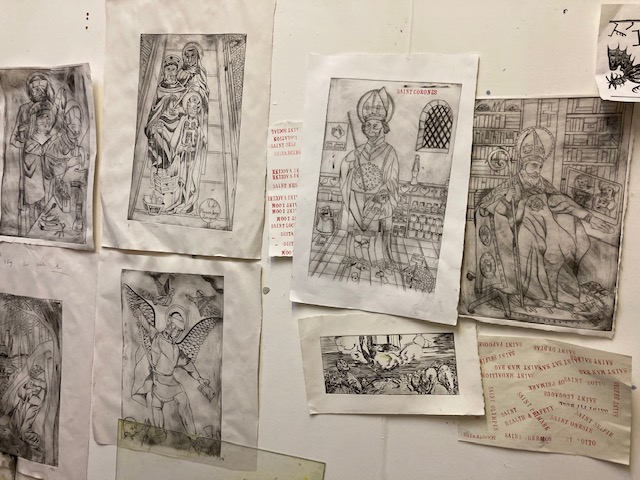

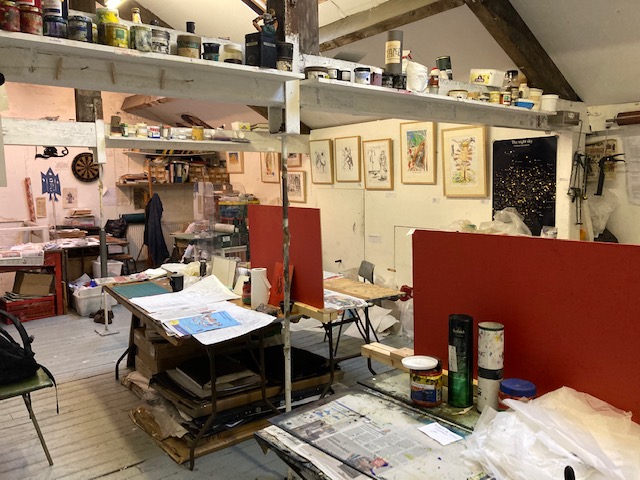
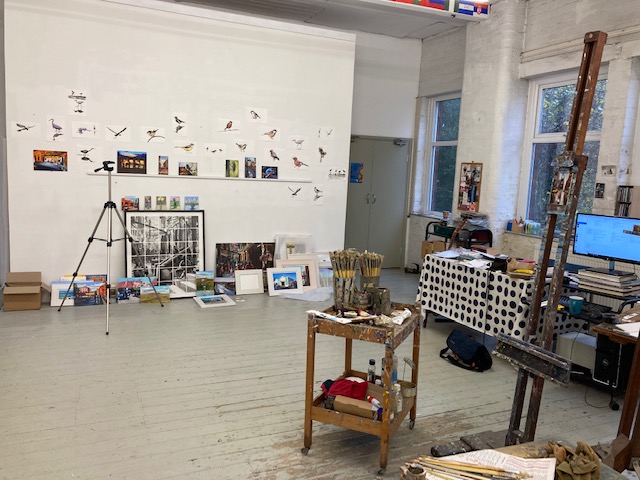
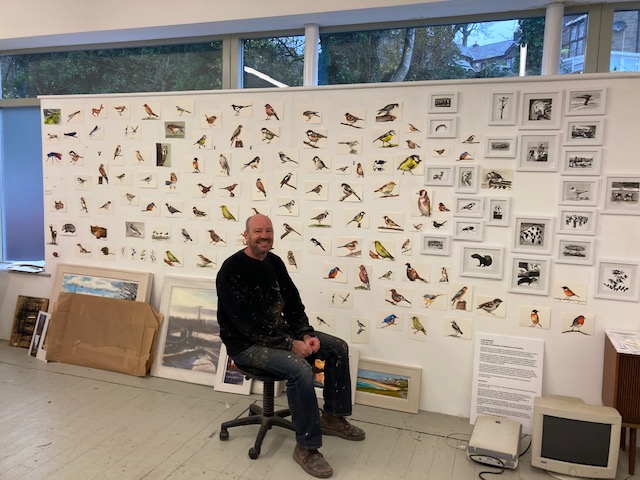
The slideshow features Alan Birch at the press in his printing studio, Jill Randall’s sculpture space complete with welding equipment and crane and Liam Spencer sits in front of his lockdown bird series of watercolours.
“In these strange and unprecedented times, spending time in the studio and working with pencils, ink and paper has been vital. Time and energy invested in the creative process is never wasted. We all realise how fortunate we are! “
Alan Birch

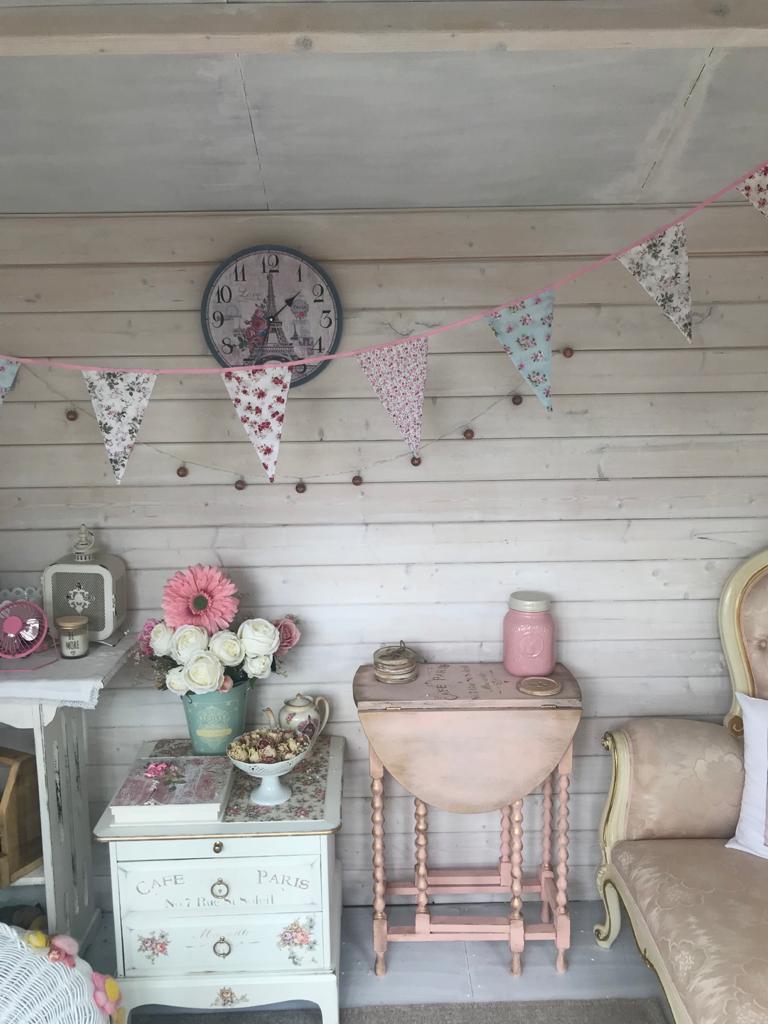
“I created my studio as a place for me to shut off from the world and create beautiful artwork in a space that was just mine. Although I teach more textile based workshops , at the Whitworth and other institutions , solo painting is art therapy, relaxation and self exploration for myself.”
Aysha Yilmaz
Take a look inside Aysha’s studio, here

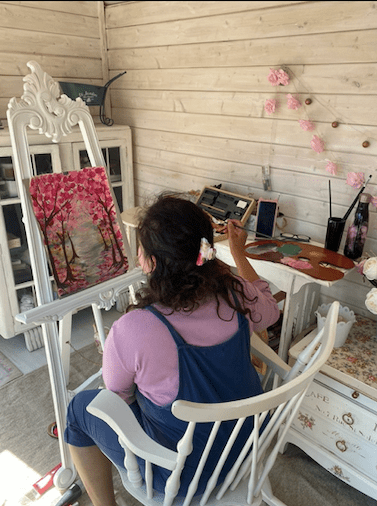
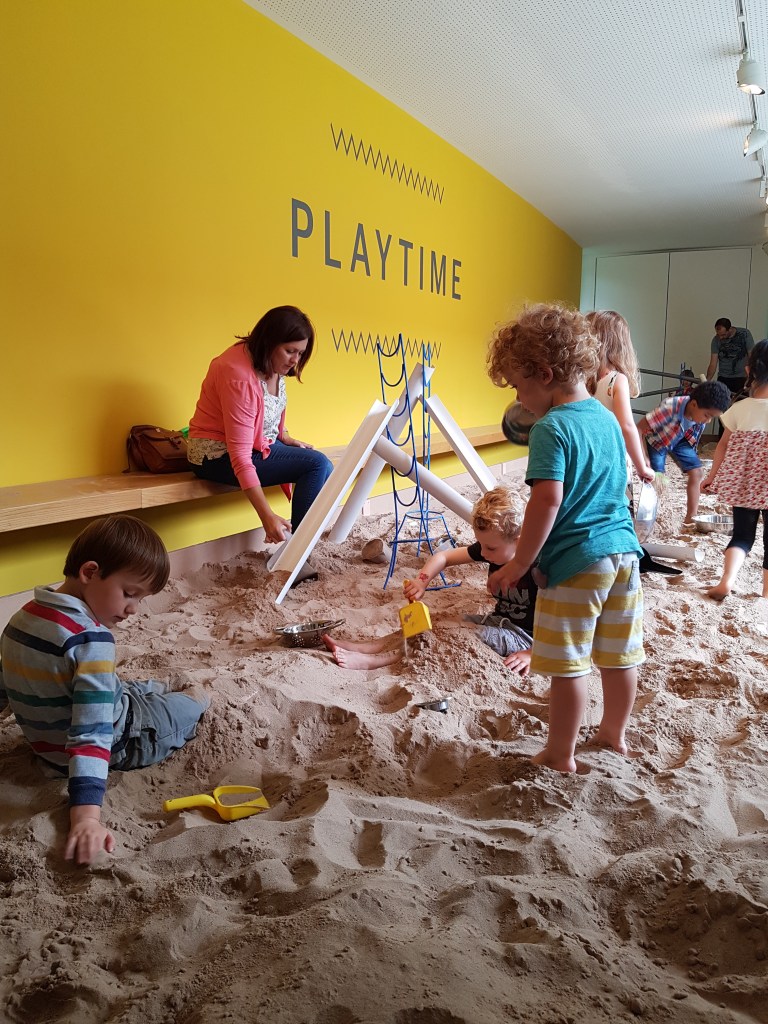
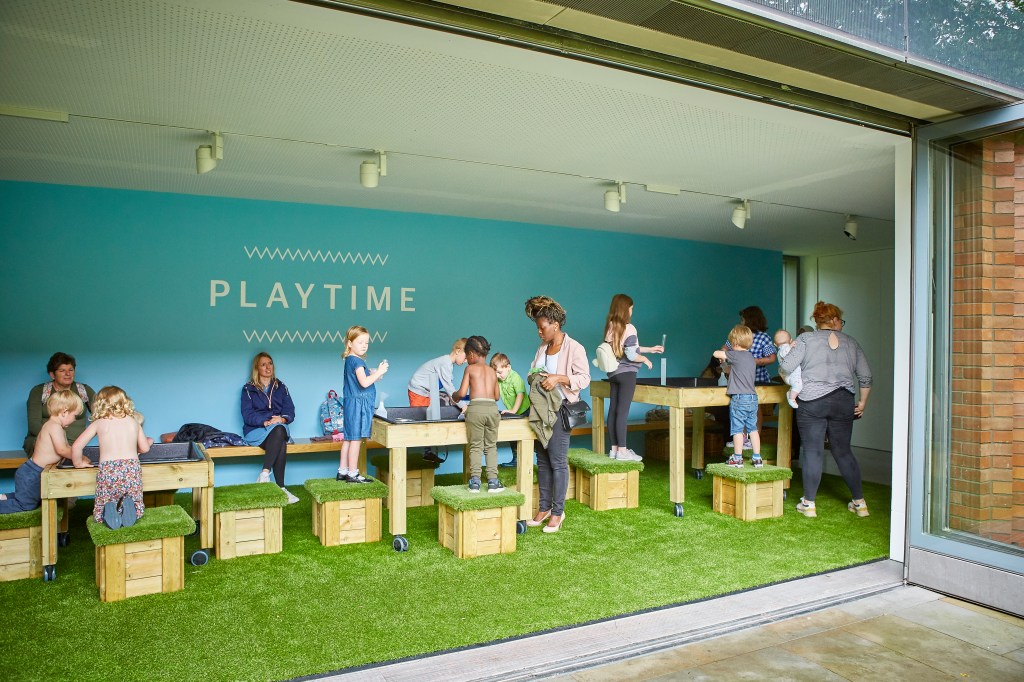
The Whitworth’s Clore Learning Studio opens directly onto an art garden which connects the inside to the natural world outside.
The space is versatile allowing it to be used by different groups in a variety of ways from messy play and school workshops to artist talks.
Here are some images of what our studio has looked like over the last few years.


T is for Techniques
Creativity can help inform new processes that change or evolve with time.
Throughout history creative techniques have been mastered to help drive technological advances.
From paper making to printmaking or from pencils to pixels, artists have embraced creativity to help develop new processes, methods and techniques. The invention of printmaking and the printed image in the fifteenth century was seen as a revolutionary advancement in human communication.
Creative printmaking techniques have enabled multiple copies of the same image to be viewed and enjoyed by many. Prints included in books, pamphlets, newspapers, portfolios or today on the digital screen have helped educate, unify, organise, politicise and inspire the world as we know it.
Between about 1510 and 1520, Marcantonio Raimondi (c.1480-c.1534) and Raphael (1483-1520) entered into a creative collaboration that gave rise to some of the most famous printed images in western art. For the first time, an artist of Raphael’s stature turned to a printmaker to spread his innovative designs and style to new audiences. Raphael recognised Marcantonio Raimondi as a master of the new multiple medium of engraving, and Marcantonio brought an unprecedented graphic intelligence to the task of working from Raphael’s designs. Their partnership in the early 16th century changed the way we see art today.

Marcantonio Raimondi (1480 (c)-1534 (c)) P.20417.1
Download our Marcantonio Raimondi exhibition guide, here
Get Creative – Art Activity
Try out relief and mono printing techniques with our creative practitioner, Alan in his printmaking workshop, here.
Explore artworks made by using different printmaking techniques in the Whitworth’s collection, here
http://gallerysearch.ds.man.ac.uk/Browse/6050
Prints of Darkness – Being a Teenager in a Time of European Turmoil
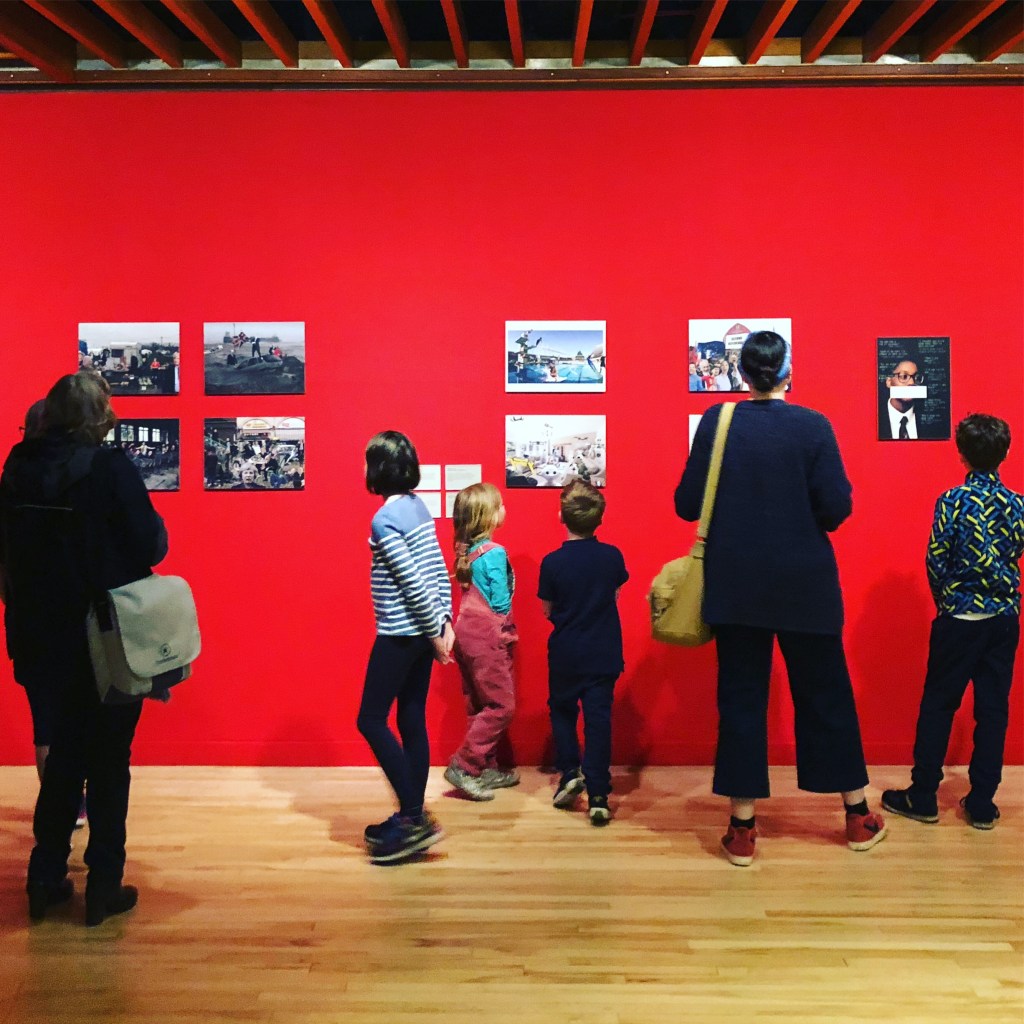
In April 2019, we welcomed an intervention featuring artwork by students from Fred Longworth High School, Tyldesley which responded the exhibition Prints of Darkness: Goya and Hogarth in a Time of European Turmoil,
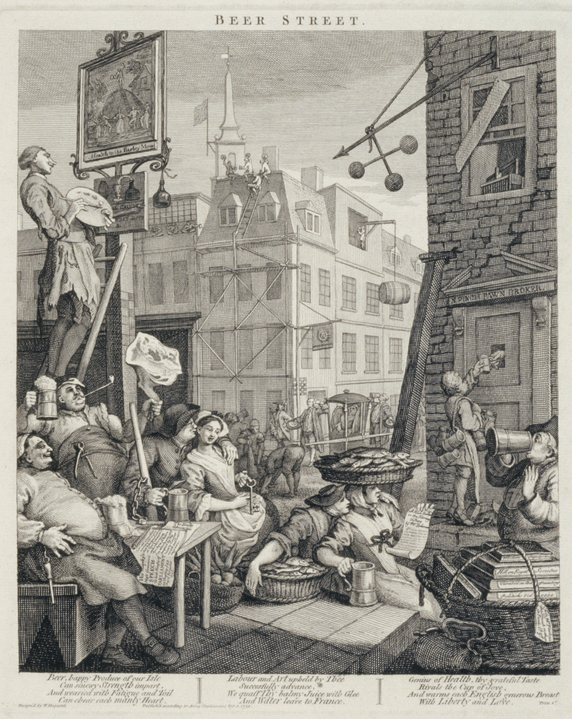
William Hogarth (1697-1764)
2/1751 (1750) P.8338
The starting point for the project was Goya and Hogarth’s use of print to comment on 18th century politics. Drawing on these artists’ use of print technology – the ability to reproduce and share multiple copies of an image – the students also studied the work of Christopher Spencer. Often referred to as a ‘modern Hogarth’ but better known to his 154,000 Twitter followers as Cold War Steve, Spencer’s satirical and witty visions of Brexit similarly comment on our politically uncertain times.
The students were invited to share their passions, politics and perceptions of youth in response to the question: What do you want to say about being a teenager in Britain today?
Their work reflects a world where unrealistically airbrushed selfies, uncensored live streaming and cyber bullying are considered part of everyday life, digital media both directs and distorts experience of today’s society. Their art shows how young people are creating their own stories while navigating an ever-changing digital and social landscape.

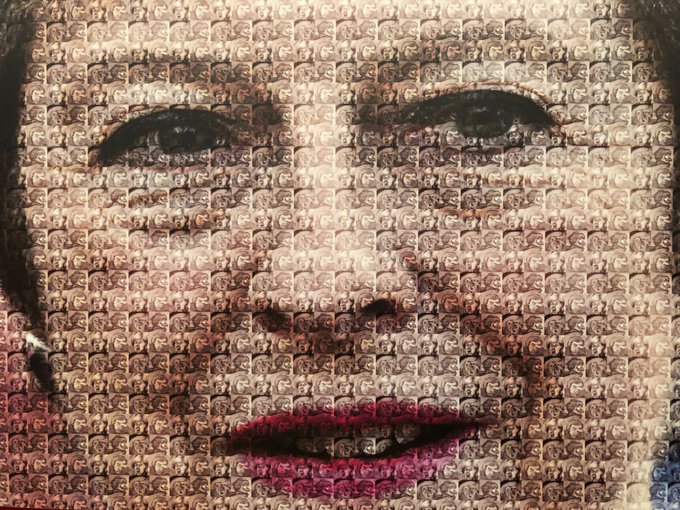




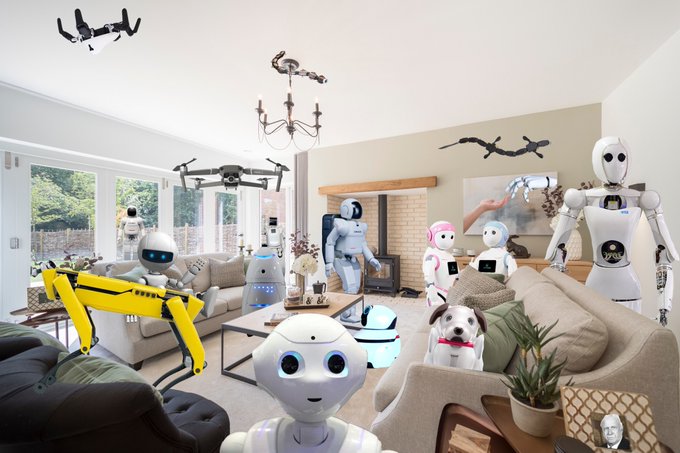

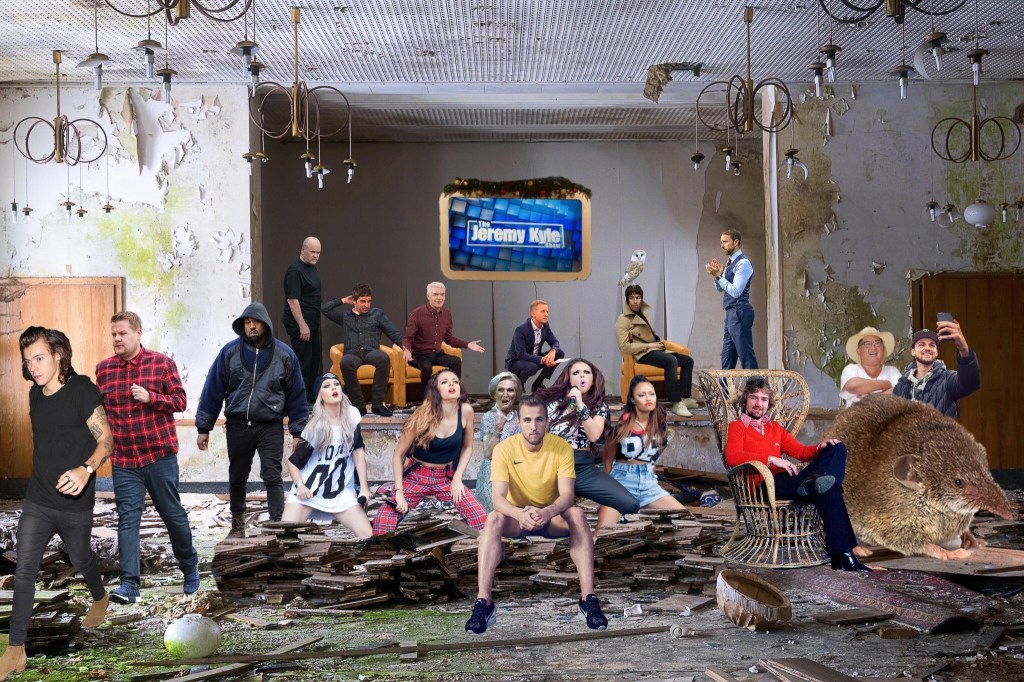
For the exhibition launch event, Cold War Steve, with audience participation, used digital collage techniques to create a live artwork using celebrities, social media influencers and sporting icons chosen by the students from Fred Longworth High School.
The exhibition received positive media attention and featured on BBC News.
Read their coverage here; https://www.bbc.co.uk/news/av/entertainment-arts-48066132
U is for Useful
We believe that art is both important and useful.
Artistic ideas and creative thinking can help us understand our surroundings and communities, shape politics, education and help with health.
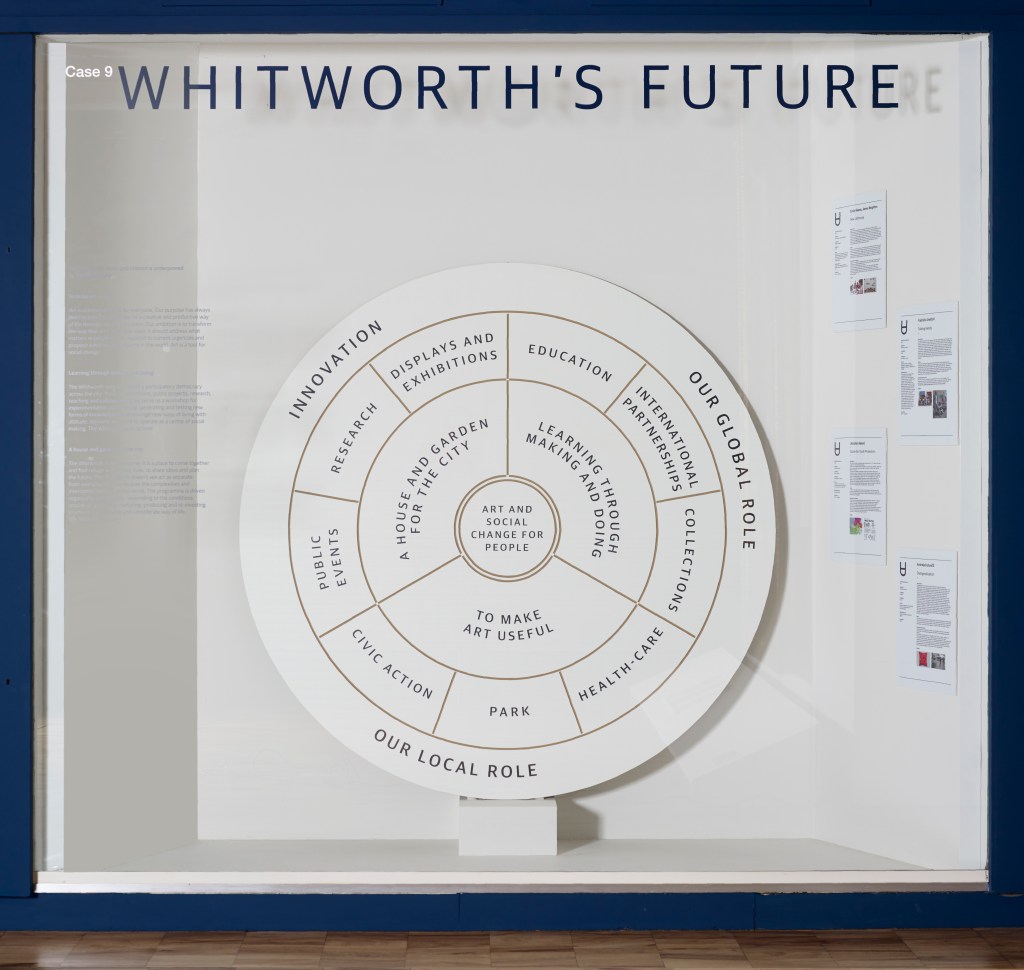
Gallery Director, Alistair Hudson discusses why Art is Useful in his TEDx talk. Watch the film here.
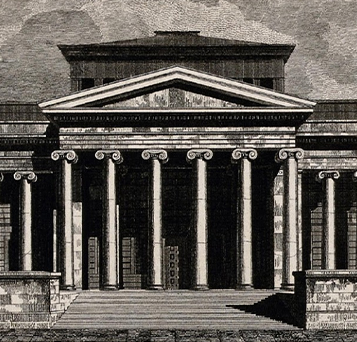
https://manchestereveningviews.wordpress.com/blog-feed/
Arte Útil
The Whitworth has recently acquired the Arte Útil archive.
It is present on-line and highlighted case studies will soon be available to view in the Office of Useful Art which is due to open Spring 2021 at the Whitworth.
Arte Útil roughly translates into English as ‘useful art’ going further to suggest art as a tool or device. It is an online platform for sharing projects from across the world that have drawn on artistic thinking to imagine, create and implement tactics that change how we act in society.
The case studies showcase projects from a variety of sources including self-organised groups, individual initiatives and user generated content, where people have developed new methods and social formations to deal with issues that were once the domain of the state.
The notion of what constitutes Arte Útil has been arrived at via a set of criteria that was formulated by Tania Bruguera and curators at the Queens Museum, New York, Van Abbemuseum, Eindhoven, Grizedale Arts, Coniston and the Whitworth, Manchester.
Arte Útil projects should:
1) Propose new uses for art within society
2) Use artistic thinking to challenge the field within which it operates
3) Respond to current urgencies
4) Operate on a 1:1 scale
5) Replace authors with initiators and spectators with users
6) Have practical, beneficial outcomes for its users
7) Pursue sustainability
8) Re-establish aesthetics as a system of transformation
For more information visit the Arte Útil website
Or explore Arte Útil projects in the Archive
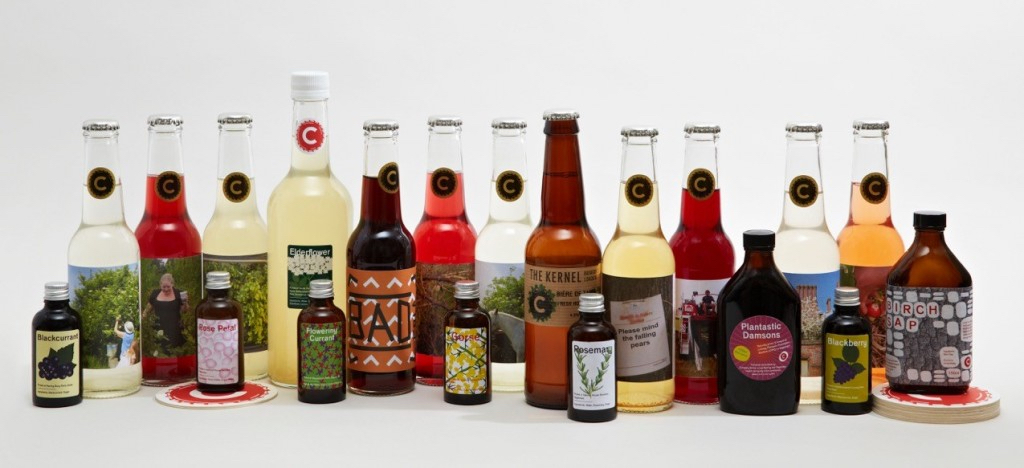
Katrin Bohm
Company Drinks Nr.577 – Art in the shape of a drinks company. Initiated by Katrin Bohm, Company Drinks is a community enterprise which links the history of east London families ‘going picking’ (fruit and hops) to the constitution of a new business which incorporates the whole drinks production cycle, and makes each step of the cycle accessible.
 Gathering of Strangers