V is for Visionary
“Creativity is seeing what everyone else has seen, and thinking what no one else has thought.”
– Albert Einstein
Do you ever imagine the future?
Creative visionaries’ look beyond the now and the known to try out new and unexplored things.
With imagination and a creative outlook in life, visionaries’ possess an ability to see things others can not. They show spirit to endure some failures, but have determination and willingness to overcome obstacles.
Visionary artists have used creativity to help us look at the world through a new lens.

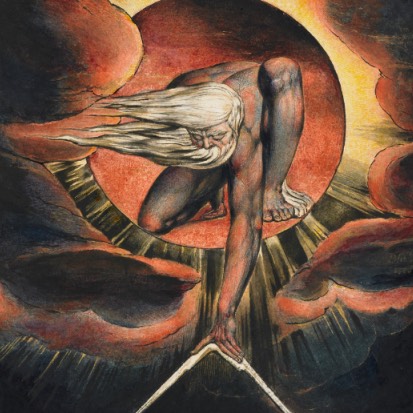
William Blake (1757-1827)
1827 (?) D.1892.32 ©The Whitworth, The University of Manchester
Dr Naomi Bilingsley, Scholar in British Art introduces artist William Blake’s idea of visionary sight as a creative way of viewing the world. Hear Naomi discuss the enduring appeal of Blake’s visionary ideas in an illustrated talk, here
Explore other Visionary artists and artworks in the Whitworth’s collection, here
http://gallerysearch.ds.man.ac.uk/Browse/6057
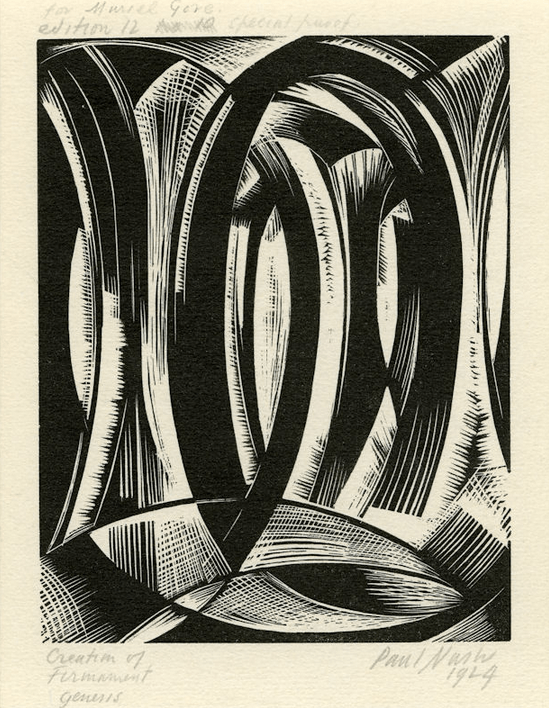
Paul Nash (1889-1946); Curwen Press, Plaistow, London; The Nonesuch Press, London
1924 P.1999.30
W is for Whitworth
As an organisation the Whitworth has enjoyed 125 years of programming exhibitions and events.
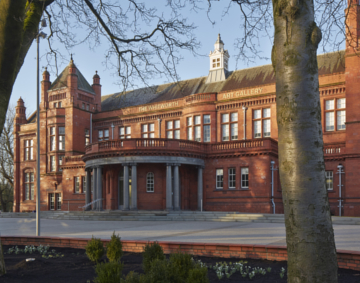

Over the decades the gallery has embraced and adapted to artistic and societal changes. As an institution it has often used its collective creative instincts to lead the sector and test out new ideas and approaches in exhibition making, education and engagement with people.
Here, we have invited some of our friends and partners to tell us their stand out creative moments in recent Whitworth history.
Early Years Atelier Programme
Clay Volcano’s

“Whenever I think of the many creative days we spent at the Atelier the one moment which always stands out to us is our clay volcano making.
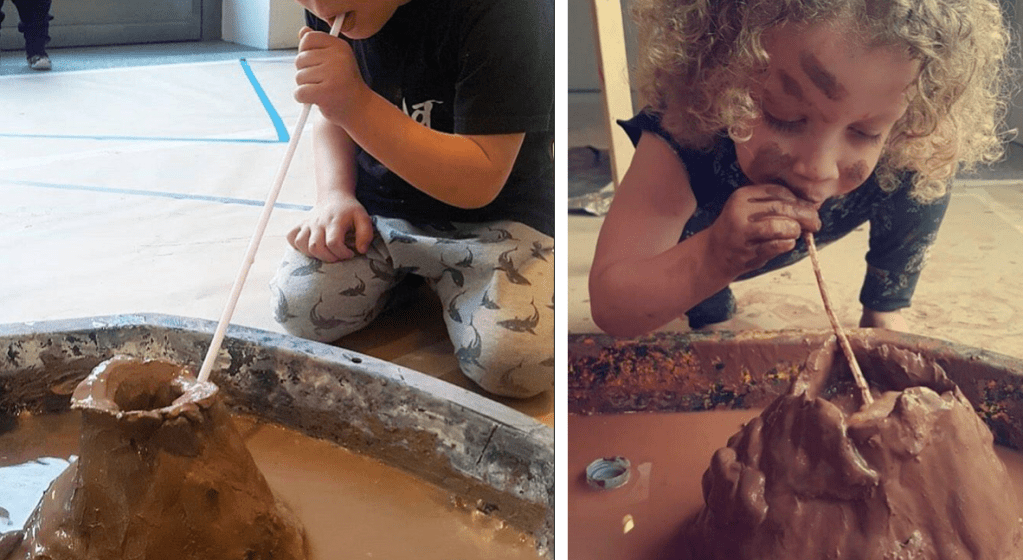
Jackson was around 3 when he first took an interest in volcanoes. Clay was a material we hadn’t used at home so we were both excited. We came especially for the messy ones. He started to explore the clay and soon decided what he was making was a volcano. I watched him. It was brilliant but he wasn’t satisfied he wanted it to be a real volcano (he wanted it to erupt). We asked the staff for a jug of water and took a paper straw from the activity baskets in the corridor.
He put the straw in the top of the volcano and began blowing bubbles into it. It was amazing he was so pleased I could tell it was everything he wanted it to be.
These 2 pictures are just over a year apart as soon as he saw the clay he knew exactly what he wanted to recreate. That’s how I know this moment was as special to him as it was to me. We still build volcanoes just now we add baking soda. But when your doors open again I hope I hear him say do you want to build a volcano?”
Friends of the Whitworth
“Ask a group of Friends their “Whitworth moment”? Make yourself comfortable. It’ll take a while.”
We’re privileged to have seen so much wonderful art that has been brought to the Whitworth. Gerhard Richter’s haunting paintings, Birkenau and Doppelgrau inspired the composer, Avro Pärt, and filled the Gallery with music in 2015. It was magical. https://www.whitworth.manchester.ac.uk/whats-on/exhibitions/pastexhibitionsbyyear/mif/
We’ll never forget Cornelia Parker’s Cold Dark Matter or the red sheets of cut-out poppies, her War Room. https://www.whitworth.manchester.ac.uk/whats-on/exhibitions/pastexhibitions/corneliaparker/ We came to the Gallery to watch – again and again – John Akomfrah’s Vertigo Sea, https://www.whitworth.manchester.ac.uk/whats-on/exhibitions/pastexhibitions/johnakomfrah/ and the videos of William Kentridge’s Thick Time. https://www.whitworth.manchester.ac.uk/whats-on/exhibitions/pastexhibitions/williamkentridge/
Speaking of magic, Raqib Shaw’s opulent fantasies were a source of wonder at a technique that combined East and West through old technologies made new. https://www.whitworth.manchester.ac.uk/whats-on/exhibitions/pastexhibitions/raqibshaw/
We feel equally privileged to have helped the Gallery add to its own collections. It always thrills us to see our name in the credits. The Paolozzi Tapestry holds a place in our affections for this reason. Similarly we have a warm relationship with Alice Kettle, whom we championed in the early stages of her career. She repays us with our own guided tours. https://www.whitworth.manchester.ac.uk/whats-on/exhibitions/pastexhibitions/alicekettle/
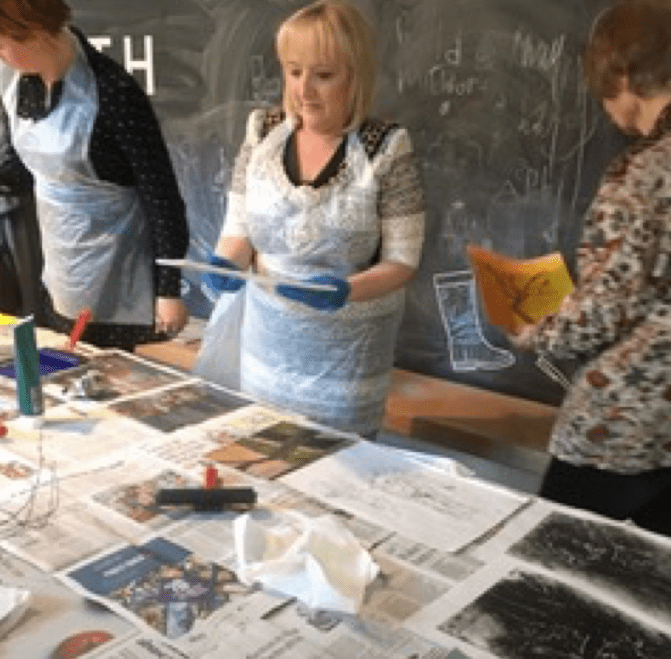
We are not just lookers and watchers, though. We are also makers and talkers. At our Look Club, we’ve argued over Tracey Emin, puzzled over Howard Hodgkin. In our workshops, we have printed, painted and stitched. In 2019, we persuaded the Lord Mayor of Manchester to put on her apron and join us in screen printing during our Showcase.
Founded in 1933, it sometimes feels as though the Friends of the Whitworth have only just got started…“
Volunteering
Moments and memories; Julie Knight

“My first exhibition as a budding volunteer with the Whitworth was Beyond Dementia.
https://www.whitworth.manchester.ac.uk/whats-on/exhibitions/pastexhibitions/beyond-dementia/
It was wonderful to meet all the group who were exhibiting beforehand to witness the delight and pride they had seeing their work on display; the artist in residence inspired them to produce such expressive pieces that impacted the viewer with eye popping art, music and thought provoking messages !
On the opening night and I was given the task of setting up the table for merchandise for the event. I have sold my own products at art fairs and festivals previously, so I was able to lend my skills and experience to this task whilst learning new ones within a gallery setting.
That evening, as the group members appeared, I beamed happily to see them again. I realised quickly that their shared smiles were not in recognition of our previous meeting but in the moment joy unfolding before them.
The buzz and excitement of the opening night, the speeches and overwhelming wash of warm good feeling for the achievements by the exhibitors, the curators, supporting artists and staff ‘to make it all happen’ was amazing. Everyone sharing those moments are giddy and proud to be there. It’s very special and not to be missed!
Talking to visitors and exchanging stories on how dementia had affected their loved ones was a very important for both parties and prepared me for what is still unfolding in front of me now.
I am forever grateful that I am equipped to think creatively and problem solve at the later stages dementia to enhance the quality of daily life of the person who may otherwise be disconnected from their families through the progression of the disease.“
Age Friendly Programme
Handmade
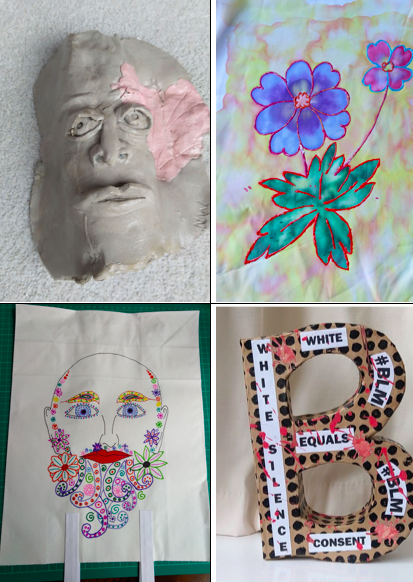
“The Handmade studio craft sessions I have enjoyed the most this year have probably been sculpture with the artist Ekua, in particular the air-dried clay and the card sculpture. It was so interesting to learn new techniques and to produce pieces of art that turned out well.
I also enjoyed the artist Aysha’s sessions, particularly the needle felting and silk painting. The needle felting was a challenge, having not done it before. Silk painting produces beautifully delicate pictures but requires a steady hand. Challenge is good!
The Handmade sessions by Zoom offered the opportunity to make pieces of art from materials that were in the house. Making a three-dimensional letter for the hashtag, #BLM, was both artistically and politically rewarding. Making tissue paper flowers showed how an everyday material can be used to make something beautiful. Papier mâché was a medium I hadn’t used in decades but I managed to make two bowl which I then decoupaged. This was also a new technique for me.
Working with Unity Arts was tremendous. For my paper bag portraits, I drew pictures of family members using Sharpies. This gave me the opportunity to show something of their personality or background. I depicted one brother with Indian type patterns as he was born in India.
The exhibition I liked best was probably Ancient Textiles from the Andes. https://www.whitworth.manchester.ac.uk/whats-on/exhibitions/pastexhibitions/ancienttextiles/
The skill with which these ancient textiles had been made was remarkable, and many appeared to be as vibrant now as when they were made.“
Early Years Programme
Still Parents
“I’ve always held art and culture close to my heart since I was a child. So, when I lost my son, September last year and was referred to the Still Parents group as a form of therapy and support, I was really hoping it would be a right fit for me. There was a session where we had the chance to view artwork in the vaults. We were all in a private room looking at a smaller selection of artwork.
One print that particularly stood out to me was a print by Edvard Munch, Two People, the Lonely Ones, 1899 Woodcut. It really spoke to my pain and what I was going through.

Edvard Munch (1863-1944)
1899 P.22685
So many other members of the group were drawn to the same piece and had their own individual and unique take on it. It was the first time I saw everyone and their grief. We experience it differently but we were all in the same boat. It was a unifying moment for me to be reminded of the power of art and its ability to bring people together. It was the moment I knew for sure I was really in the right place that could help me on the journey of healing, forgiveness and recovery.
The Whitworth has provided a place for us and our memories of our lost babies and a safe space to process healing and moving forward.”
South Asia Gallery Co-Producers
Visit to the Whitworth South Asia Textile Collection, June 2019
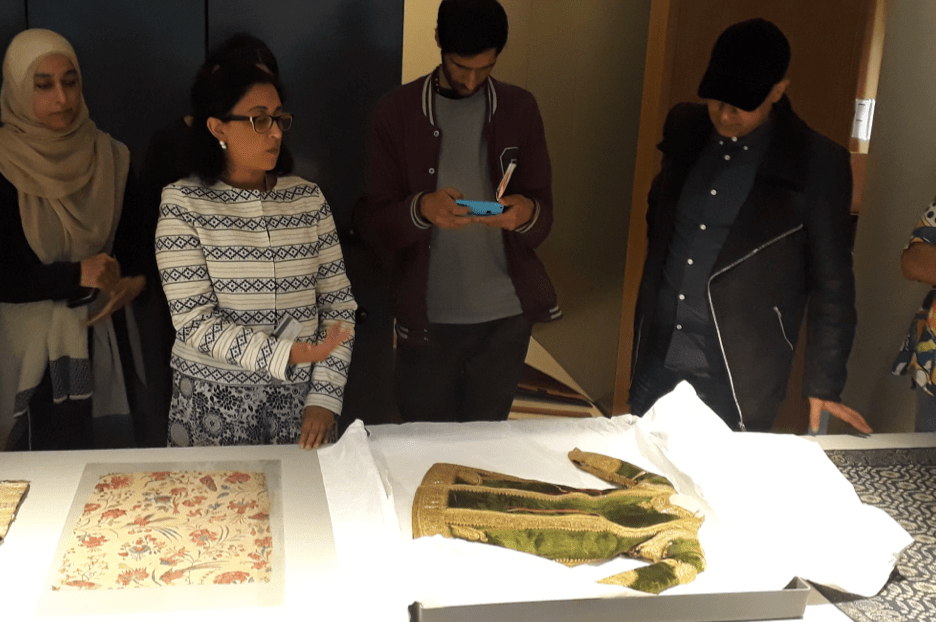
“One of the best stand-out moments was when I hosted a Collections Visit for all the members of the South Asia Gallery Collective, currently being developed in partnership with Manchester Museum.
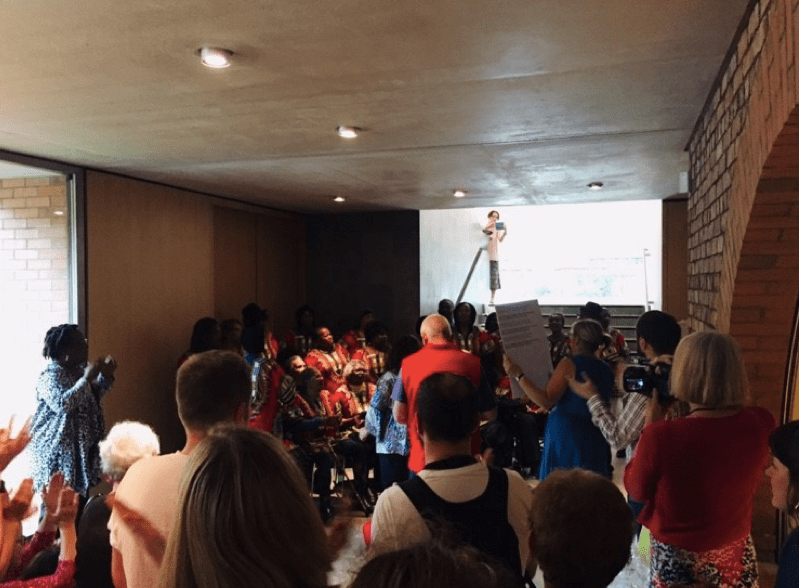
The event was part of a series of trips to visit South Asian collections across the Manchester cultural institutions so that the Collective could see what we hold and start to think about how their personal stories can connect with our collections. It was such a fun evening! There was a lot of good humour, oohs and ahhs (mainly prompted by me) and an all-round feeling of fabulousness. (Ignore my facial expression in the photos below!).
For many people of South Asian descent, particularly those in the North of England, coming into galleries and museums and accessing private appointments to view collections is very much unfamiliar territory. Having grown up in the North of England myself, I speak from experience! I don’t think I set foot into a gallery until I was a young adult and I certainly didn’t have the knowledge or confidence to book myself in for a ‘study appointment’ until I became a student. That aside, the evening was a real hoot because we all laughed and shared memories, talked about textiles, what they meant to our history and cultural identity. However, the best thing for me was hearing what the group had to say, in other words, learning from them. I cannot underestimate how valuable this moment was. For one thing, it is well and truly a myth that curators are the fonts of all knowledge about the collections in their institutions! I firmly stand by that mantra. It is only by coming together, asking questions and sharing our memories that we learn from each other. Like any other public collection, it is there for everyone and belongs to everyone: not just the curators or those people who position themselves as brainy! I felt so proud to see so many fellow South Asians taking a closer look at the Whitworth’s South Asian textile collection”
Whitworth Voices
Whitworth Voices grew from breakfast meetings before the first lockdown, held at the Whitworth with existing and new partners as part of the Constituent Museum Project. It is a collective group of creative minds with a love of art made up of artists, faith leaders, parents, health workers, writers, dementia carers, Friends of the Whitworth amongst others. Whitworth Voices is a growing group and is open to all communities.
Our aim is to draw out community voices to co-develop events, co-create programmes and suggest changes to the Whitworth to make it more accessible and inclusive for everyone. It is a forum for sharing what is taking place in the local areas around the Whitworth: Rusholme, Moss Side, Hulme, Ardwick, Longsight, Fallowfield and Whalley Range.
Follow us twitter @whitworthvoices Instagram whitworthvoices
X is for X=Variable
Subjects such as mathematics can sometimes be perceived as not being creative.
The idea of Maths is often imagined as a combination of set definitions, correct applications or right and wrong answers.
The world of mathematics is ruled by symmetries, formulas and patterns. Some of these are known and accepted, whilst others are waiting to be discovered and tested. Mathematicians use creativity to challenge and advance accepted theories by breaking or re-imagining the rules.
In mathematics X is a variable, a consistent that lacks a fixed pattern.
A creative pursuit that is liable to change.
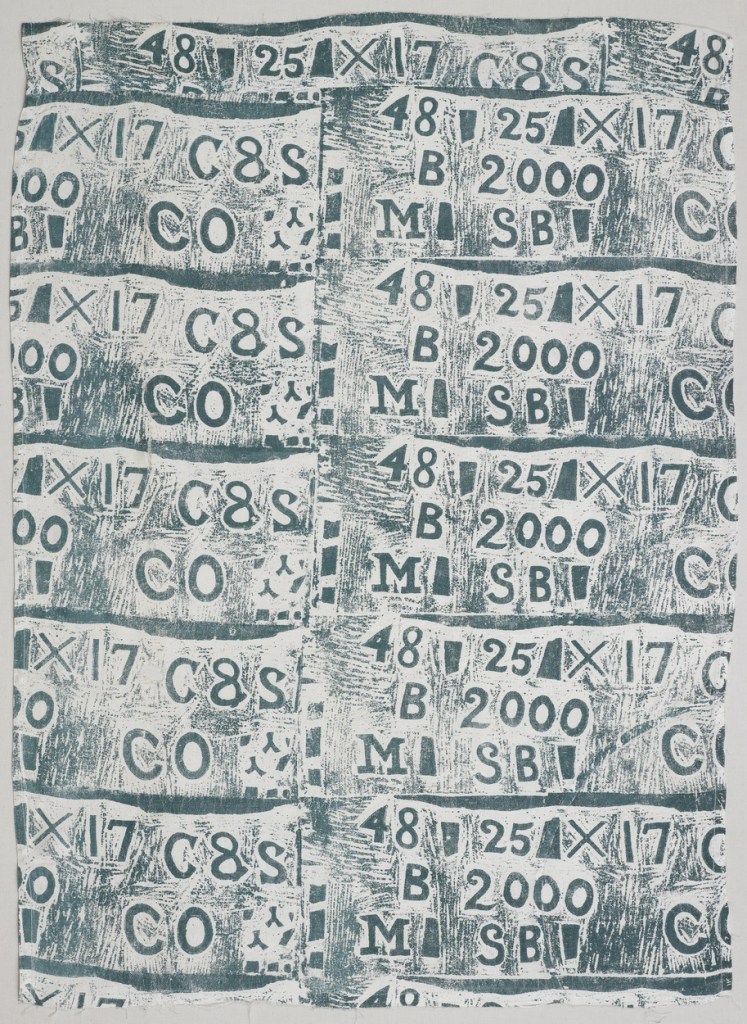
Ben Nicholson (1894-1982); Nancy Nicholson (1899-1977)
1933 T.2006.8
http://gallerysearch.ds.man.ac.uk/Detail/47817
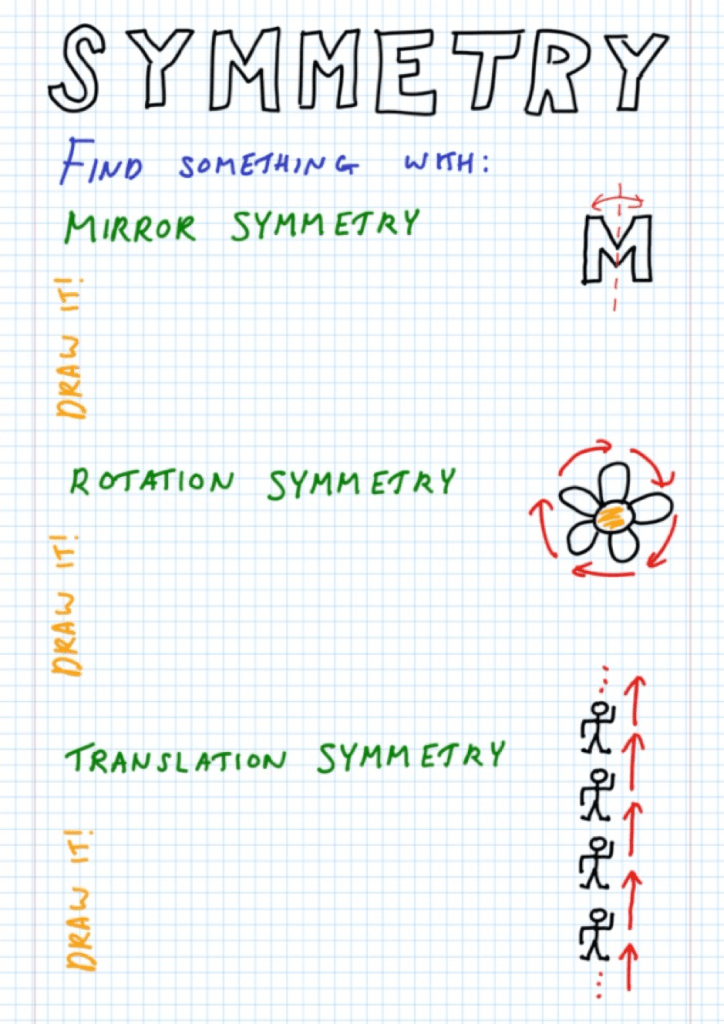
“Maths is a creative activity, seeking new patterns and making new connections. Just as an artist, we have to look at the world carefully to understand it better and see things that others miss, creating new mathematical ideas. I study group theory, heavily tied to the idea of symmetry. We develop new ideas to study the symmetries of things that are impossible to visualise directly.“
Charles Eaton – Department of Mathematics
School of Natural Sciences, The University of Manchester
Get Creative – Art Activity
Many thanks to Charles Eaton who has imagined an arty maths activity sheet that invites us to look out for and draw symmetrical patterns.
Y is for You
Everyone has the ability to be creative.
We all harness the freedom to imagine, play and dream.
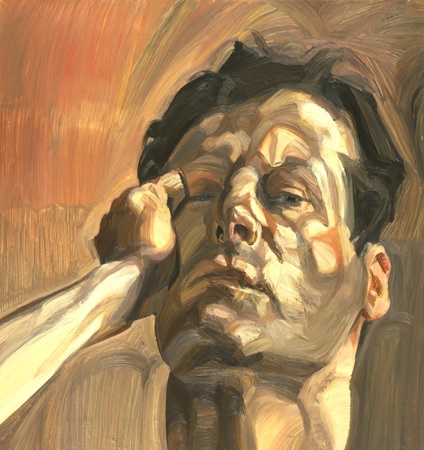
Lucian Freud (1922-2011)
1963 O.1977.2
It is very hard to pin down exactly what creativity is.
This is the Oxford dictionary definition;
“the use of imagination or original ideas to create something; inventiveness”
However, as we have discovered through developing our A to Z, there are many other definitions, interpretations and ingredients that make up creativity.
How would YOU define creativity?
#AtoZofCreativity #TheWhitworthAtHome
Tweet
Z is for Generation Z
Generation Z are a generation with a completely unique relationship to creativity and visual language.
Born between 1997 and 2012 the Z generation have grown up as digital natives.
Young people of this current age cohort are using creativity continuously as a skill set. In the internet age, they are informed and opinionated. They are content creators, documentors, activists, curating their lives through film, photography and social media.
Whitworth Young Contemporaries (WYC) is the Whitworth’s programme developed by and for young people, aged 11-24.
Connecting art, ideas and communities, young people turn their ideas into action through workshops, residencies and creative campaigns.
Generation Z: Taking Action
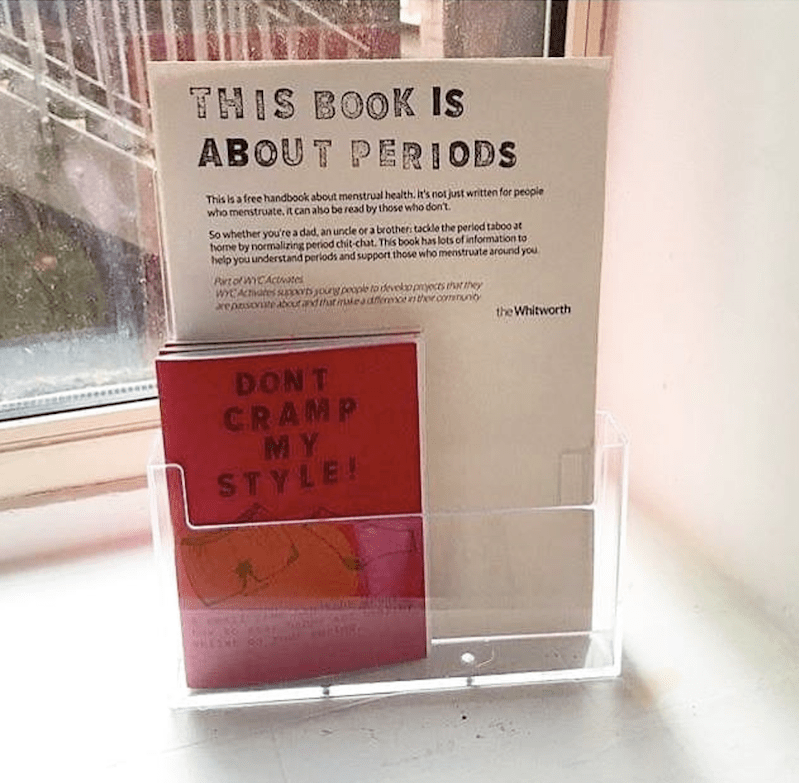
Our WYC Activates programme aims to support young people to make a difference through social practice, art and activism.
WYC Activates is a series of accessible commissions supporting young people aged 18-24 to develop projects with civic purpose and make a difference in their community. Through structured training and mentoring, young people gain practical and pastoral support from artists, producers and community practitioners. This not only impacts the skills, confidence and career developments of the individual, this issue-based approach permeates through the ecology of the wider community.
The WYC activates programme has supported young people to creatively explore the issues that matter to them. Housing conditions, literacy levels and period poverty have been some of the themes that WYC Activates has supported to date.
Generation Z: Voicing opinion and being informed
ARTiculation Prize
The ARTiculation Prize is an annual national arts public speaking competition for young people aged between 16 and 19. It’s an inspiring and exciting way to showcase how the visual arts can be interpreted and shared with a wide audience.
Students are invited to deliver a ten-minute presentation to an audience about a work of art, architecture or an artifact of their choice. Adjudicators then assess each presentation as a whole, looking at content, structure, delivery and the speaker’s original approach and unique potential.
The Whitworth has been hosting ARTiculation Prize regional heats in partnership with Roche Court Educational Trust for 5 years, leading to two Grand Finalists –Zach Taylor’s thoughtful presentation Rembrandt: Facing the Darkness ( Abbey Grange Academy, Leeds) and most recently Charles Lee’s personal presentation on The Proud Trust, 1988 (Xaverian College, Manchester).

ARTiculation is the perfect platform for Generation Z students with their passion for change and activism. Charles Lee used the platform to share his firsthand encounter with The Proud Trust, describing the post-modernism inspired building as ‘ looking like a juvenile detention centre, looking warily at the concealed entrance and wondering how I was actually meant to get in….built in the 1980s with the safety and anonymity of Manchester’s marginalised gay community in mind…designed not for keeping people in but for keeping danger out’. The informative presentation raised the audience’s awareness of the eighties political impact on homophobia, shared how a building could make a difference, the UK’s only council-funded LGBT+ centre, how it touched people’s life in a real way and had been rebuilt in 2021 with no need to keep danger out.
The next regional heat is taking place at the Whitworth Wednesday 27 January 2021 1.30-4pm. Links to watch the event will be on the Whitworth’s website in 2021.
Generation Z: WYC Speaks…
Young people from the WYC collective talk about their experiences and perceptions of being part of Generation Z.

Art on phones
Art on phones
New homes
For paintings
And sculptures
A way to view
Like, scroll, stalk
A virtual gallery
No need to walk
Round for hours
With a curator’s rubber
You get to choose
And look and see
The creative processes
Of you and of me
Savanna Goldman
“For us socials is life.
The ability for anyone and everyone to see your work has made art more commercial and public. For gen z, galleries are for the established artists, so instead we use Instagram to broadcast our work unfinished.
We post in real time, using the internet to show live development. You’re also more vocal, other artists finding you and dming to collab all can be done without physically being together. This has made socials the place to be over lockdown. I post my work because I want people to see what I’m doing and the artist I am but also for validation that ive done something alright and its gone somewhere to someone. A like is similar to a painting bought by a viewer though socials ability to replicate the image for everyone makes the art more accessible. It’s a mini portfolio for me, showcasing what I’ve done to give off the impression that I’m working. WYC is similar in how they use socials. Posting past and upcoming events to show followers what it’s done and is doing, helping it be reactive and engaged.”
Savanna Goldman
“With WYC I have experienced the benefits of a digitalised world first hand. With art, especially the stuff you expect to find in an esteemed gallery, technology doesn’t always seem like something of importance. It can make your life easier but isn’t at the heart of the art. WYC changed my mind on that, especially as we’ve been maneuvering our way to creating a new cyber-WYC.
Tech now runs the world and expands the possibilities of all our conversations and projects into something bigger than the physical. Cyber-WYC has been one of the best things to come out of our everlasting lockdown. It pulls away all the barriers and limitations that exist in the real world.”
Roisin McAuliffe
“I never know what I say or where to being, when I’m told to introduce myself so let me begin by saying this. Hi, my names Abdimalig Ibrahim and I’m a Photography student, at the Manchester School of Arts. My work is often a reference point of my life experiences and the exploration of what It means to be Black in Britain. At its root core, my work is a documentation of my culture and my people.
Growing up in a digital environment and being surround by technology has been very interesting. I have never known a time where the internet or social media did not exist, which has been a blessing and a curse. I use social media as a way to display my work but to also have important conversations with people. For example, my recent project with the WYC around BLM and ideas of Utopia is what started this zine. It was a collaboration between myself and other young creatives, about how we could create something that educated and informed people on what It’s like to a person of ethnic minority in Britain.
This has been an important and passionate project for me, as it reminded me of how art can be used as a tool to start a dialogue between people that words cannot. The one thing I hope to achieve with this is zine, are one that people enjoy it and two to keep learn and holding people accountable even if no one’s watching.”
Abdimalig Ibrahim
“Whilst being artist in Residence with Alice Kettle and WYC at the Whitworth in 2018 /19, I learnt so much about the many amazing creative projects going on around Manchester and how accessible it was to reach out to them online and form connections.
Being able to communicate digitally has allowed me to collaborate with fellow young artists and form a community of creatives promoting one and others projects on our digital platforms. Having these networks and staying connected is part of what gave me the confidence to work as a full-time freelance artist and also start my own business with an instore and online presence, knowing I had the support of people who championed creative projects.
Occupying the workshop space in the Whitworth gave me so many opportunities to meet new people to collaborate with and I even had some WYC members come deliver workshops and volunteer which really enriched what I was offering in the space. Using social media has allowed me and other creatives the freedom to carve out our own kind of creative career and reach a broader audience than ever before.”
Ibukun Jesusanmi
Utopias Exhibition
In 1516 Lawyer and Lord Chancellor Sir Thomas More published Utopia – a book that gave name and form to an idea that captured the human imagination – that of aspiring to an ideal future and better society.
More conceived of an island community – independent, insular and able to prescribe its own ways of living. Yet at the root of More’s proposition for an ideal world is contradiction. The term utopia was taken from the Greek ou-topos meaning no place. A perfect nation can never be realised, because it is different for everybody – it is nowhere and yet everywhere.
This exhibition crosses genres, media and time-frames to provide a playful and provocative framework for probing how Britain’s literary and visual culture has perpetuated an idea of a utopian society that fosters nostalgic yearnings for a seemingly lost past.
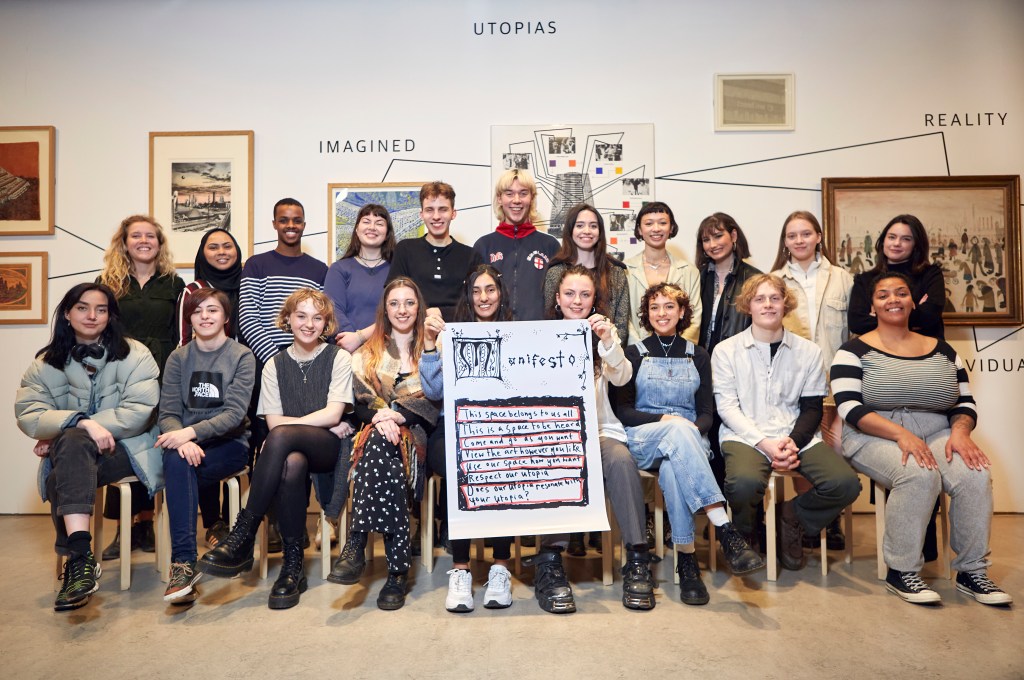
Within the exhibition, Whitworth Young Contemporaries have created a space that uses the Whitworth’s collection to start a conversation on what utopian-thinking looks like for young people today.
Find more information on the Utopia’s exhibition, here
https://www.whitworth.manchester.ac.uk/whats-on/exhibitions/currentexhibitions/utopias/
In an episode of ‘A Walk in the Park’ from the Whitworth, the podcast takes a look at how the gallery works with young people. Exploring the latest exhibition “Utopia” co-curated by the Whitworth Young Contemporaries and curator Leanne Green, we hear from one of the Whitworth Young Contemporaries Artist-in Residence Annabel Taylor-Munt to find out what utopia means for young people today.
We chat to Sally Thelwell to find out more about her role as Youth Engagement Coordinator and we also hear about the gallery’s new outdoor arts training programming “Park Pioneers” created in partnership with Walk The Plank.
To find out more about Whitworth Young Contemporaries email sally.thelwell@manchester.ac.uk or follow us on Instagram @whitworthyc
 Gathering of Strangers