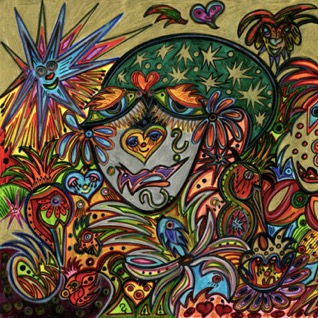

B is for Boredom
Creative impulses are often born out of the feeling of being bored.
Creativity helps us channel our restless energies into something unexpected.
Boredom is a natural way for people to imagine new possibilities, daydream or simply an invitation to fill time.
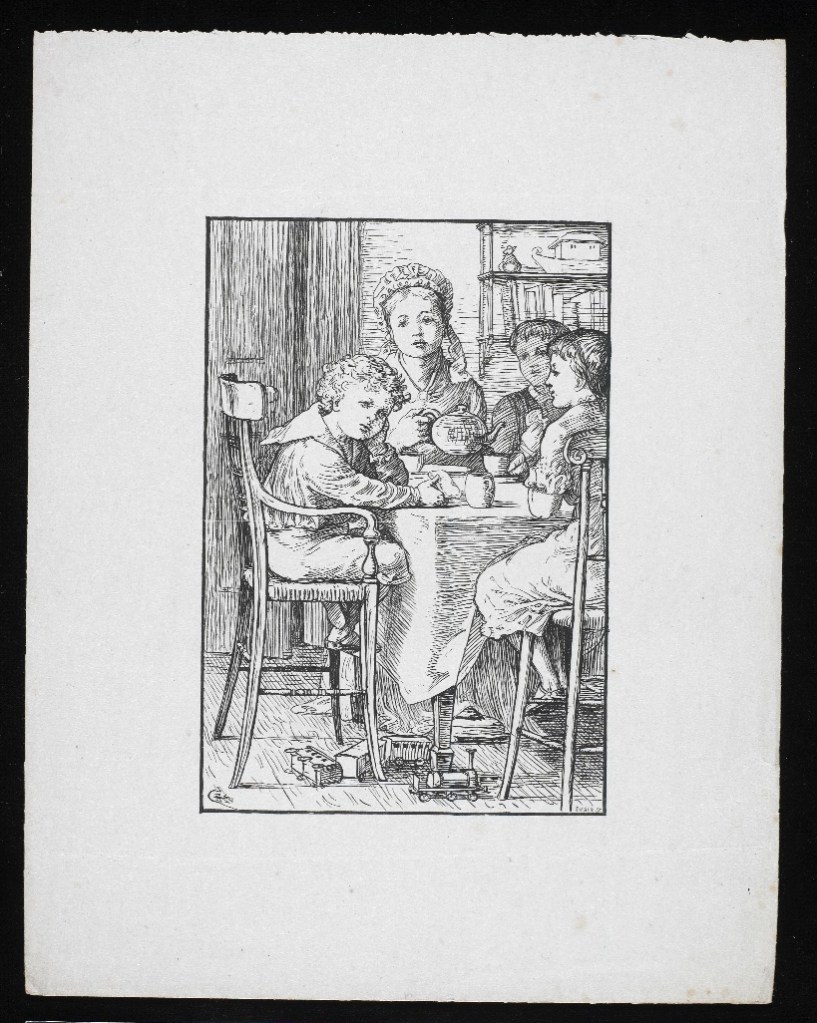
Walter Crane (1845-1915)
© WCA.1.1.1.2.40 the Whitworth, The University of Manchester
Have you ever heard children say –
“I’ve got nothing to do”
“I’m bored” or
“What should I do next?”
Here is some research into whether being bored really does make us more creative.
This article shares how it might actually be good to let children get bored.
https://www.psychologytoday.com/us/blog/inviting-monkey-tea/201801/can-i-let-my-child-be-bored
C is for Cloudspotting
The patterns and pictorial possibilities that cloud formations create are endless.
When looking up into a cloud filled sky we often get a playful, creative instinct to make sense of the shapes that we see.
Our imagination takes over to enable us to visualise familiar imagery, from faces and animals to landscapes and everyday objects.
Why not look up next time that you are outside and give cloudspotting a try?

John Constable (1776-1837) Oil on paper (Laid Down On Canvas)
© O.1970.2 the Whitworth, The University of Manchester
In 2018, a study suggested that the average British person spends around four and a half months of their life talking about the weather.
This obsession is not something new but goes back hundreds of years.
For the artist John Constable cloud formations and the impact that changing weather conditions had on familiar landscapes were an important part of improving his artistic practice. He wrote to his friend John Fisher in October 1821, ‘skies must and always shall with me make an effectual part of the composition. It will be difficult to name a class of Landscape in which the sky is not the ‘key note’, the standard of ‘Scale’ and the chief ‘Organ of Sentiment’…The sky is the source of light in nature -and governs every thing’.
Constable made the majority of his weather studies after he took lodgings for himself and his growing family near Hampstead Heath in July 1821. This is one of a series of sky studies dating from this and the following two years. Constable, who never traveled outside the British Isles, has come to be seen as a quintessentially English painter, but his interest in the sky and in atmospheric effects is part of a wider European appreciation of such matters and owes something to developments in science. Constable was not alone in recognising the importance of studying weather conditions.
The University of Manchester Library holds the second most significant university library special collections after The University of Oxford. Perhaps one of it more surprising documents is a handwritten register of daily meteorological observations for Manchester. Compiled by the chemist and natural philosopher John Dalton (1766-1844), the register even recorded the height of the clouds.
https://luna.manchester.ac.uk/luna/servlet/detail/Manchester~91~1~417382~166934
Get Creative – Art Activity
Make a cloud inspired lino print with our creative practitioner, Fatimah here.
Explore more artworks in the Whitworth’s collection inspired by clouds, here
http://gallerysearch.ds.man.ac.uk/Browse/6048
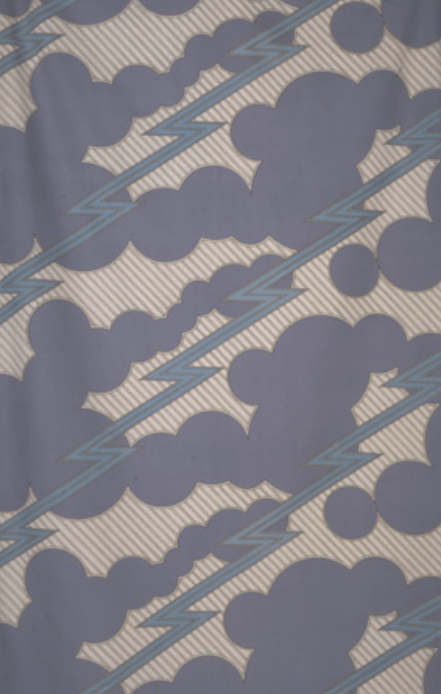
Jeanine Fieldsend, Michael Fieldsend; Heal Fabrics Ltd (1936-1984)
1974 T.1975.28.1
http://gallerysearch.ds.man.ac.uk/Detail/22746
D is for Deviation
Creativity can often help us to rewrite the rule book and assist us to “deviate from a norm”
Creative processes encourage us not to be afraid of expressing ourselves and help in exploring paths that are sometimes uncomfortable or untried.
Become a trailblazer – Challenge yourself and others to look beyond what is accepted as standard.
Standardisation and Deviation: The Whitworth Story
Founded in 1889 through Sir Joseph Whitworth’s legacy, the Whitworth was established to honour one of Britain’s greatest mechanical engineers. A proponent of standardisation, Sir Joseph revolutionised precision engineering through his development of interchangeable parts in machinery.
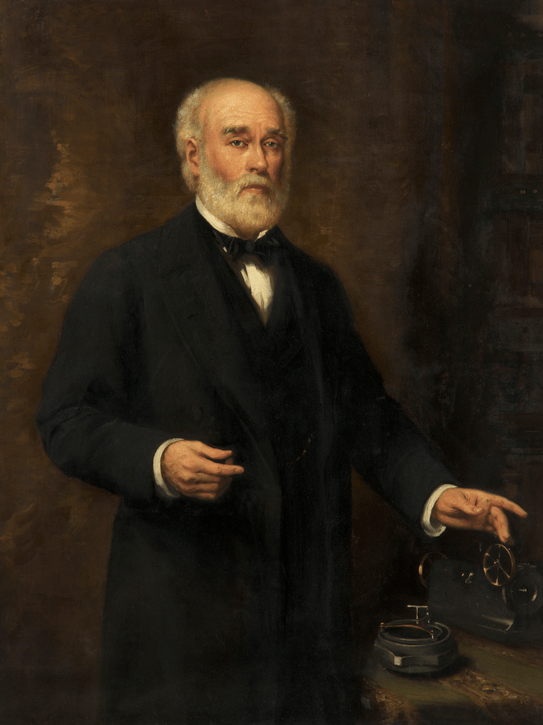
Thomas Benjamin Kennington (1856-1916 O.1908.1
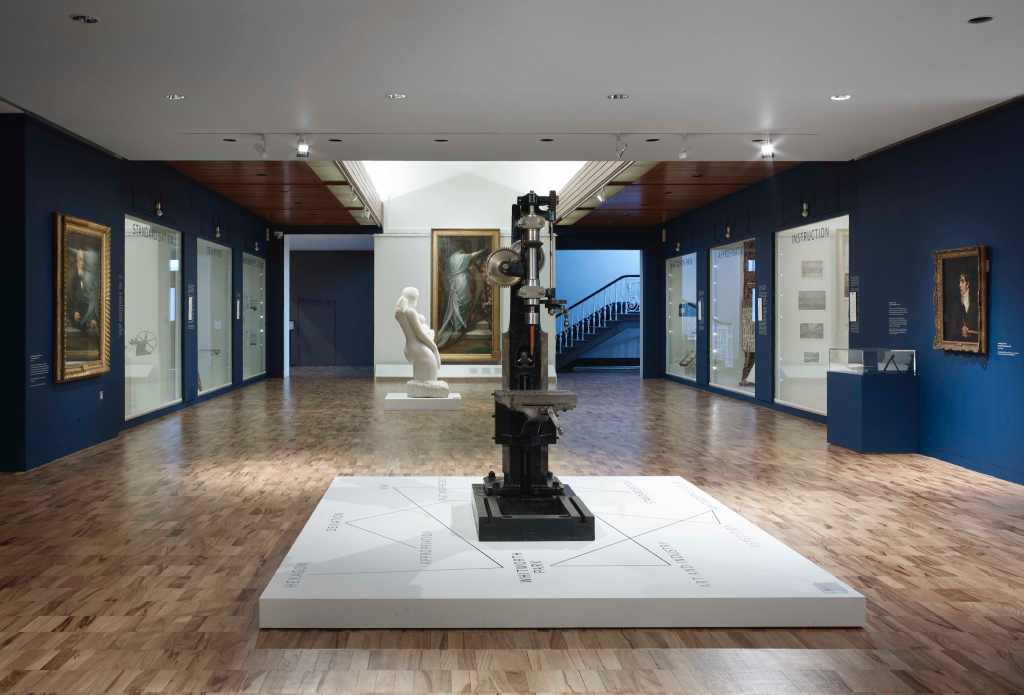
Standardisation is a theme that is woven throughout the recent Whitworth exhibition Standardisation and Deviation. It tells the history of the gallery and the development of its diverse and internationally significant collections. Alongside this, the exhibition demonstrates how the gallery has often deviated from standard models of practice, from its early collecting policies to its new vision; one that promotes the idea of the ‘Useful Museum’ and art as a tool for social change and education.
The exhibition is currently on display at the Whitworth until June 2021.
Hear curator Imogen Holmes-Roe talk about the Standardisation and Deviation exhibition, here
Here are photographs of the works on display and a link to the exhibited artworks on our collections website.
http://gallerysearch.ds.man.ac.uk/Browse/6072
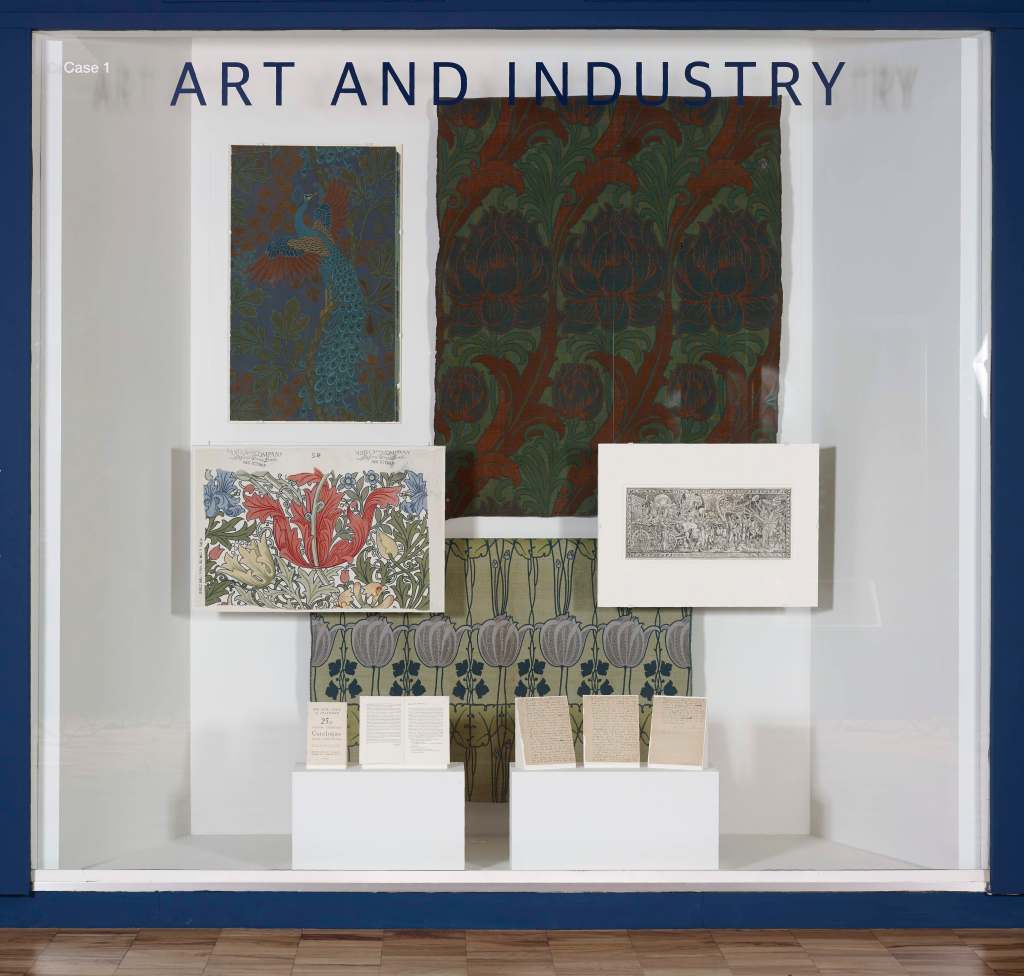

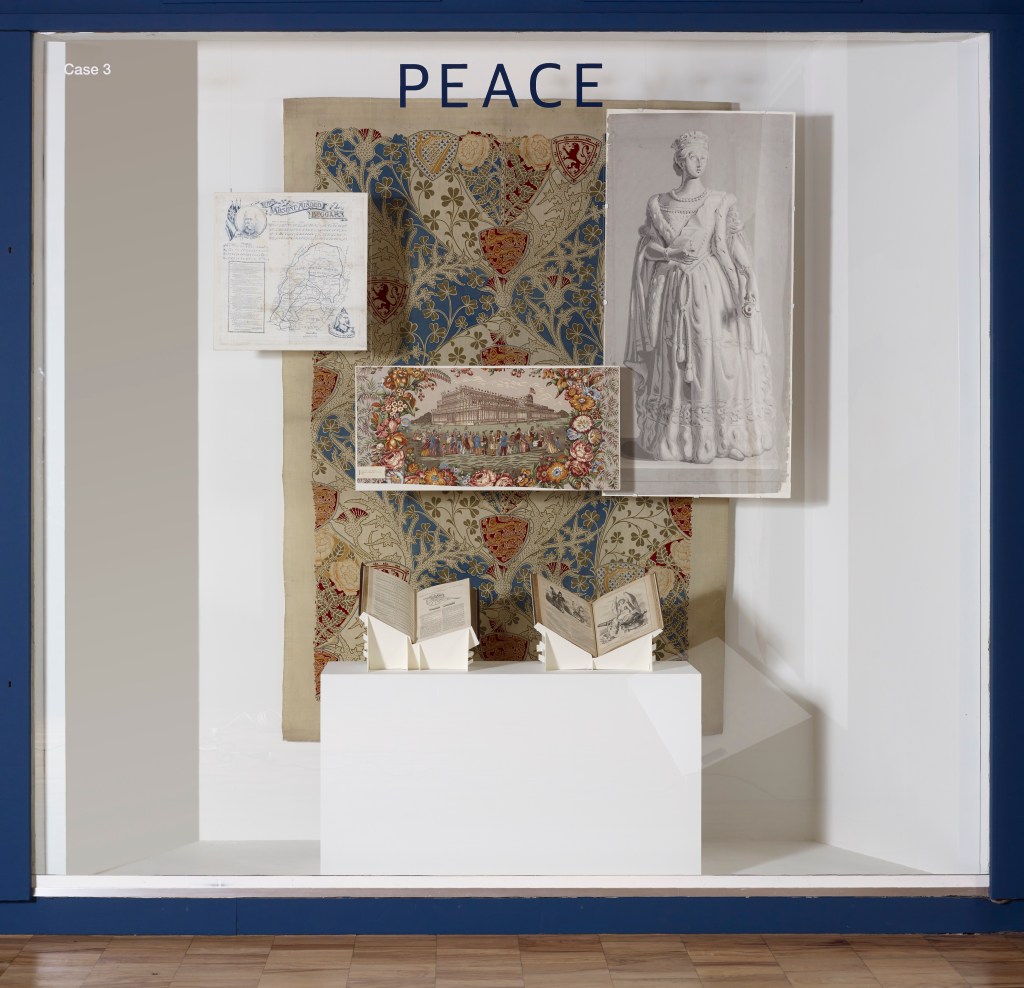


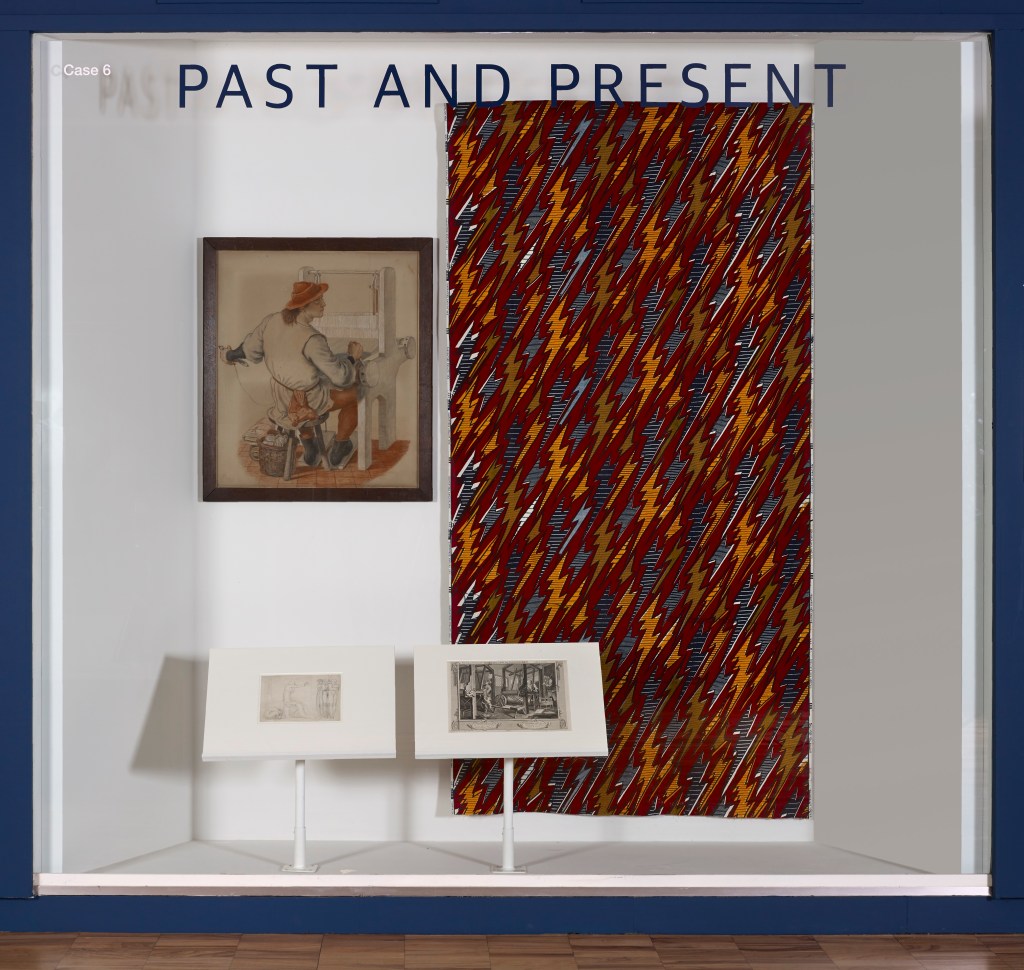


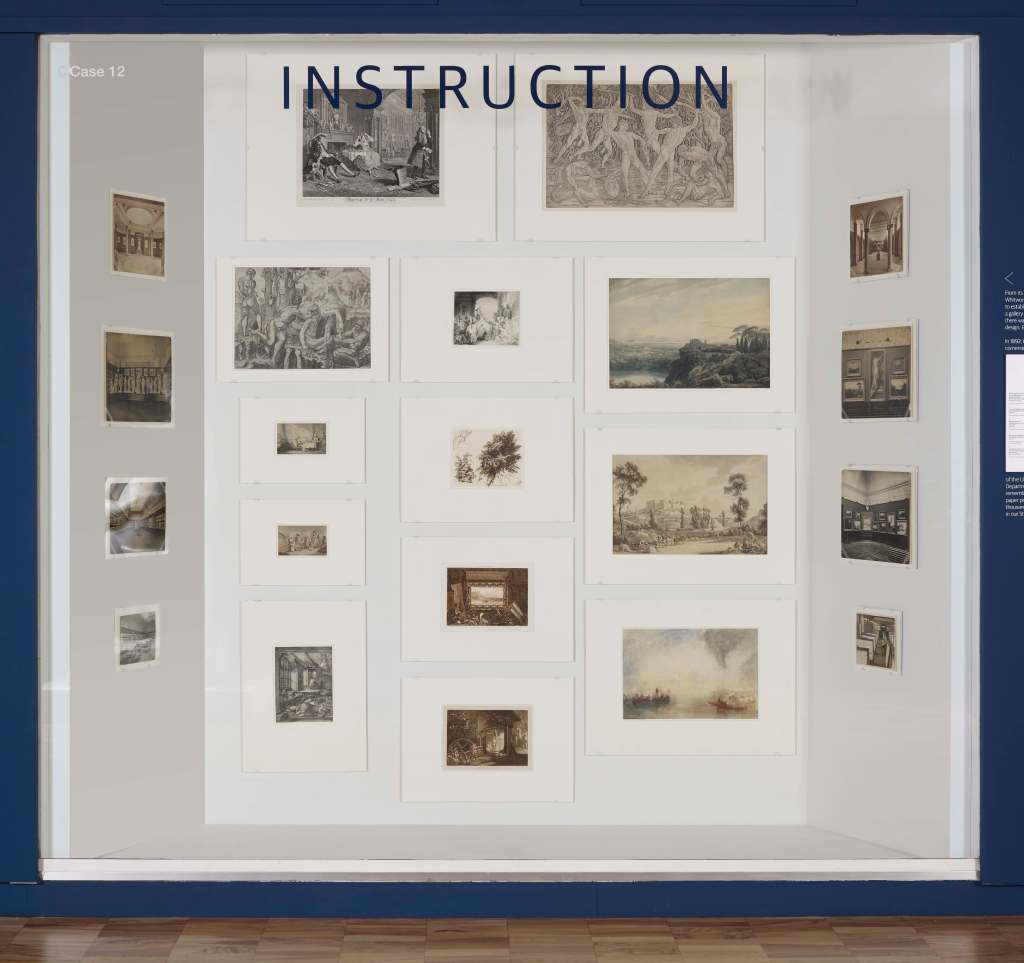

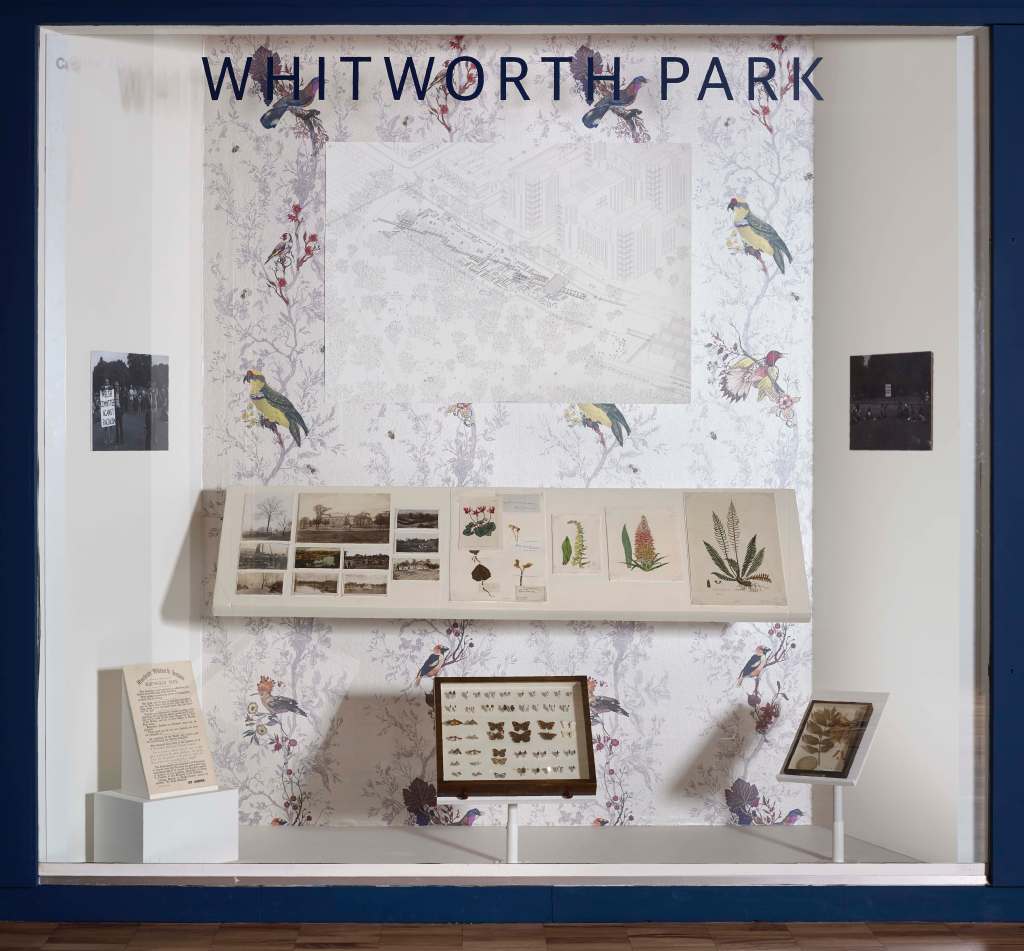
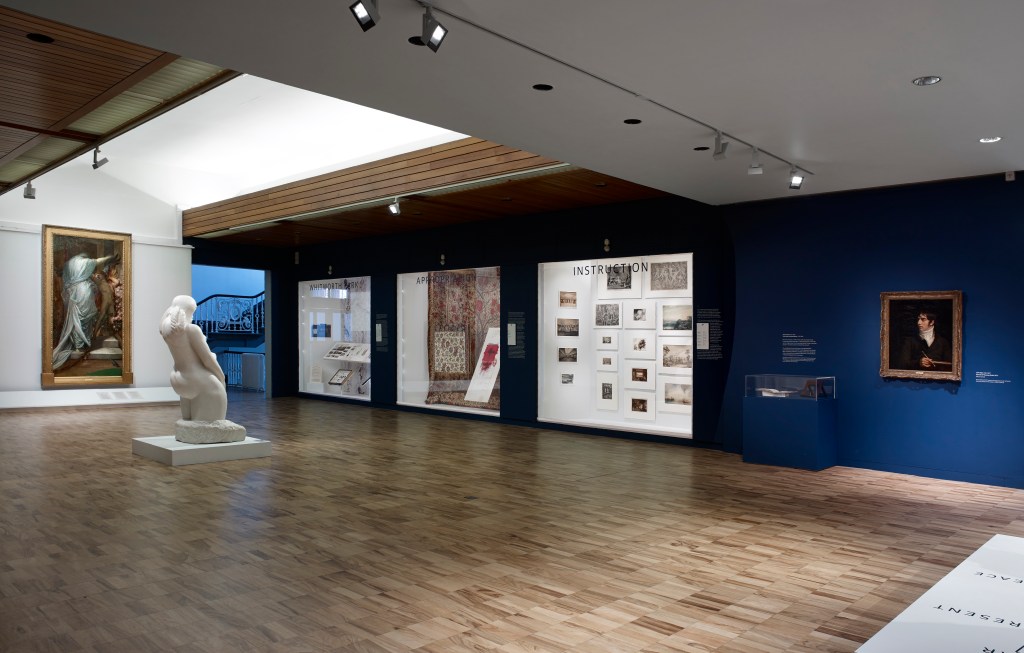
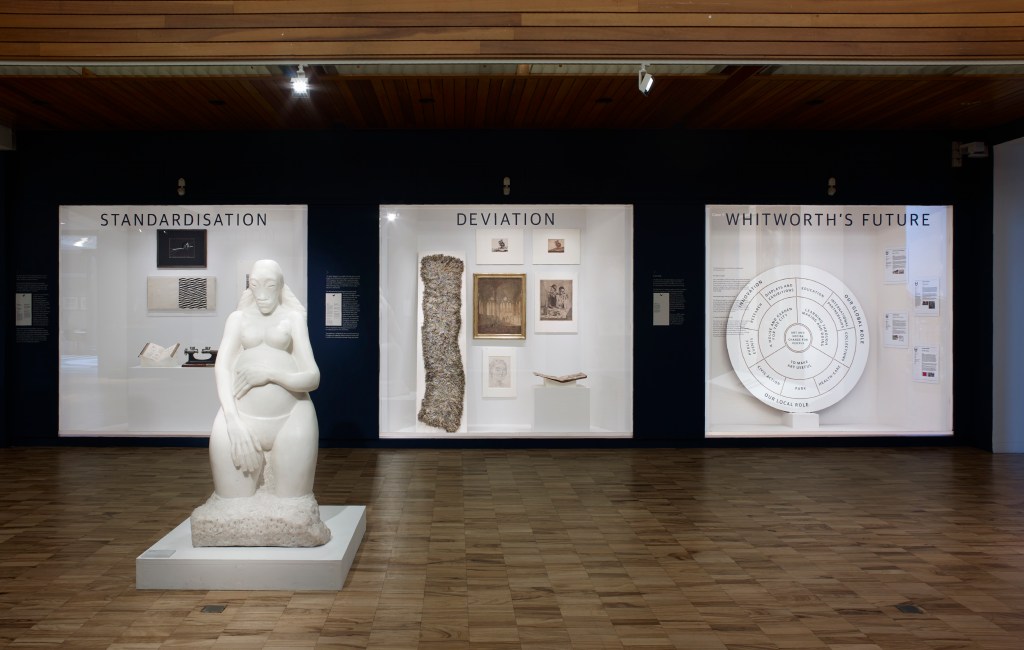
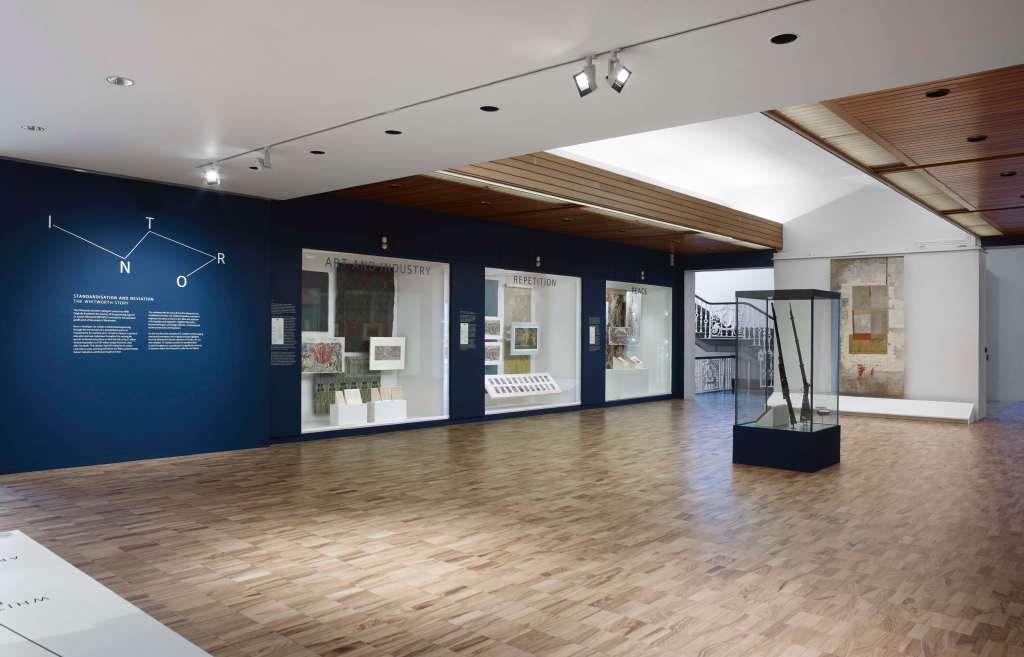
http://documents.manchester.ac.uk/display.aspx?DocID=50691
E is for Experimentation
Creativity is not just an artistic process, it plays out and effects all aspects of the world.
Experimenting can be so much fun. Trying and testing new ideas to see what works can be very rewarding and equally, learning what doesn’t can be too.
Both artists and scientists experiment with creative ideas in their work. A lot of artists use science and mathematics in their work to determine size, scale and influence the use of resources and materials.
‘The links between science and art have always been something that has fascinated me – both seeing the similarities and the differences. What it’s taught me is that there are common skills and ways we look and observe the world, the process of trial and error, seeking out new and novel approaches to communicate with each other.
The interesting bit then comes with what we do with those observations and how for scientists they become more formalised experiments using the scientific methods, processes and means of communication. The Great Science Share has shown us how the arts, including visual, dance and music has real power for young people to explore and communicate science. At a time where the creative subjects are at risk of being squeezed out of a packed curriculum, it’s important that we take a moment to embrace what science is all about – a collaborative, interdisciplinary and innovative way to learn about our world.’
Dr Lynne Bianchi, SEERIH & Director, Great Science Share
“Creativity is an important part of scientific discovery – we often start with a set of facts and have to imagine what our outcomes could be and plan ways to test them. We use creativity to solve problems along the way to creating our experiments and to help fix them when things go wrong!
Whether our experiments succeed or fail we then need to look at our results and find the best ways to communicate and understand them.
Presenting results can be simply writing them but more often we try to put them into graphs, diagrams and posters which can often test our creativity skills”
Dr Alison Harvey and Rachel Saunders, Department of Materials, The University of Manchester.

In March 2020 artists and scientists from the University of Manchester came to teach Claremont Primary School’s science lesson at the Whitworth which included use of the gallery’s wallpaper exhibition.
F is for Flow
Artists experience a state of flow when they are fully immersed and absorbed in creative activity.
It is said that when creativity flows freely the concept of time can disappear!
When people are in full flow they are likely to be happy, productive and at their most creative.
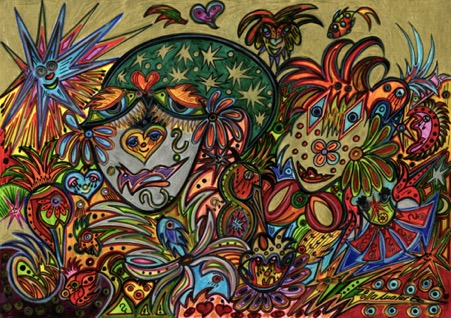
Richard Nie (b. 1954)
© D.2010.322 the Whitworth, The University of Manchester
Explore more Flow inspired artworks in the Whitworth’s collection, here
http://gallerysearch.ds.man.ac.uk/Browse/6053
Get Creative – Art Activity
Get into a state of creative flow with our creative practitioner Gemma. Try out her repeat pattern activity, here.
 Gathering of Strangers